
Supplementary signs
The small plate under the main sign. It can narrow, extend or qualify the rule above it — and it is often the whole answer to an exam question.
Where the group sits in the regulations
The group holds 31 signs and is governed by chapter 9 of the Norwegian sign regulations: the general provisions in § 17, and the individual signs in § 18.
The main sign says what, the plate says for whom
A supplementary plate never stands alone. It modifies the sign it hangs under, and without it the rule above would be more general than it is meant to be. A ban may apply only to some vehicles, only during certain hours, or only along a stretch of stated length — and the plate is what says which.
So when in doubt it pays to read from the bottom up: first what the rule is, then who and when it applies to. Read only the main sign and you have read half the sign.
Why this group matters so much on the test
A question that looks like it is about a prohibitory sign is in practice often about the plate: does this apply to me, now? It is one of the most common ways of separating two answers that would otherwise both be right.
Plates also carry arrows and distances telling you where the rule applies relative to the sign — ahead, behind, or in both directions. The direction is not decoration; it is part of the rule.
Six signs from the group, explained
-
 Distance 802
Indicates the distance from the supplementary sign to the point where the main sign starts to apply, or to the location of a corresponding main sign further ahead (advance warning).
-
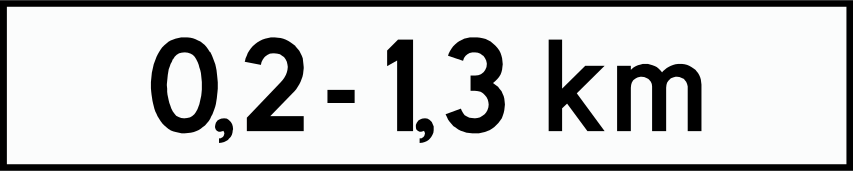 Length of section 804
Indicates that the main sign applies to a specific stretch of road. The figures show the distance to the start and end of the section.
-
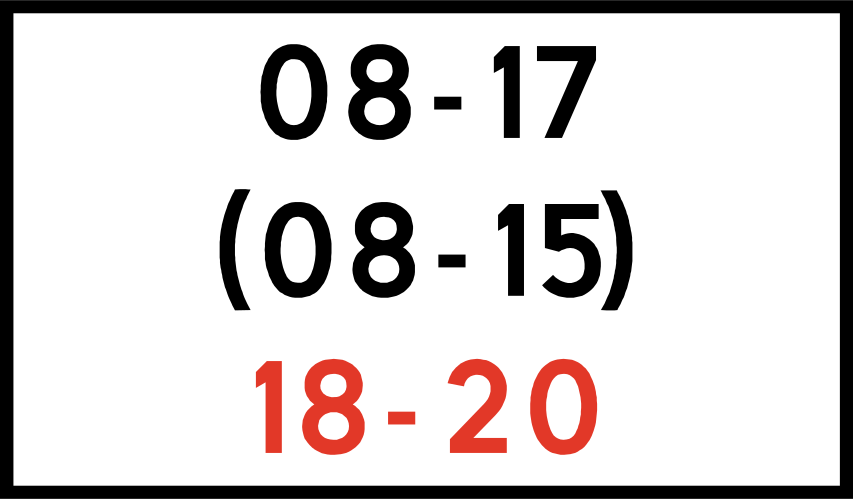 Time 806
Indicates that the main sign only applies during the times shown on the clock. Black figures apply on weekdays except Saturdays, black figures in brackets apply on Saturdays, and red figures apply on Sundays, public holidays and other holy days.
-
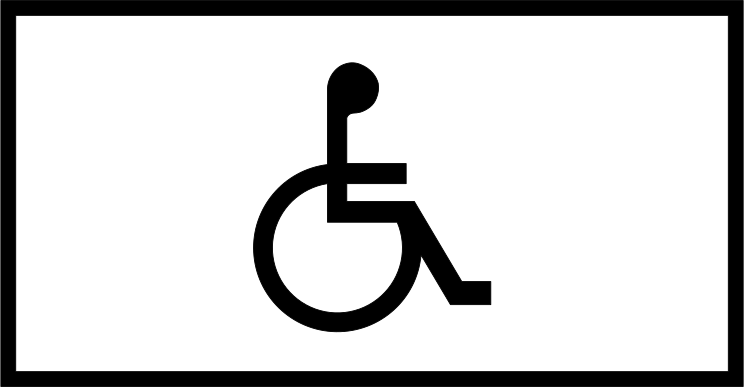 Disabled persons with a parking permit 807.8
The symbol indicates that the regulation applies to persons with reduced mobility who hold a parking permit. On a supplementary sign to sign 552 "Parking", it means the parking space is reserved for this group.
-
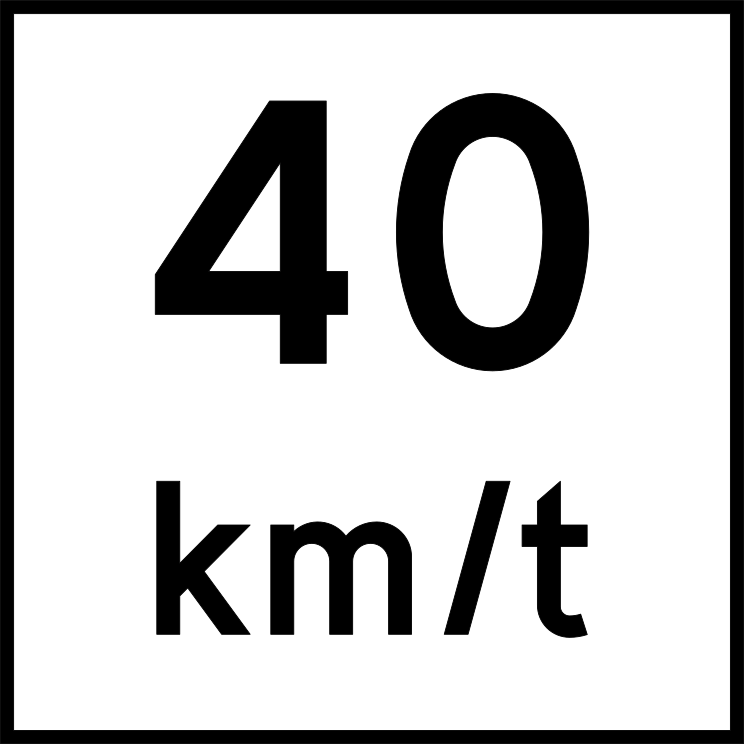 Recommended speed 812
Indicates the highest speed appropriate to the hazard being warned of, under normal weather, road-surface, visibility and light conditions. The speed is a recommendation, not a binding speed limit.
-
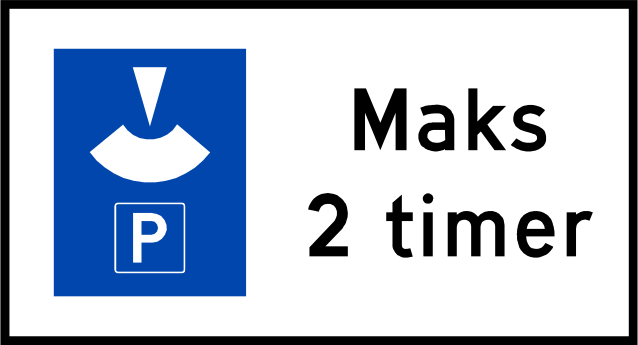 Parking disc 831
Indicates that parking is only permitted when a device (parking disc/clock) showing the time the vehicle was parked is placed clearly visible behind the windscreen.
All 31 supplementary signs
Below are all 31 signs in the group as they actually look. Tap a sign for its name, its meaning and what the test tends to ask about it.
-
Distance802
-
Length of section804
-
Time806
-
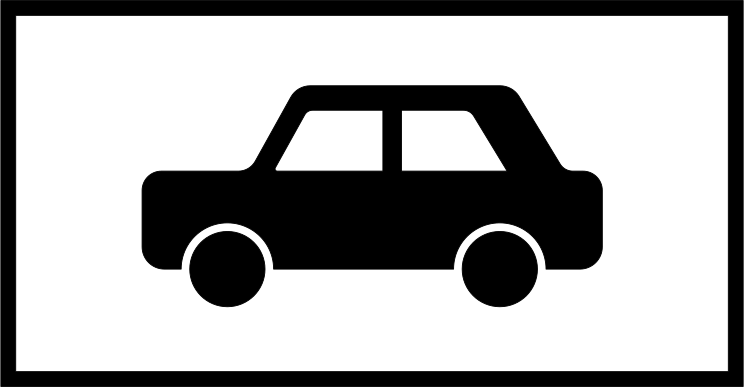 Symbol807
 -
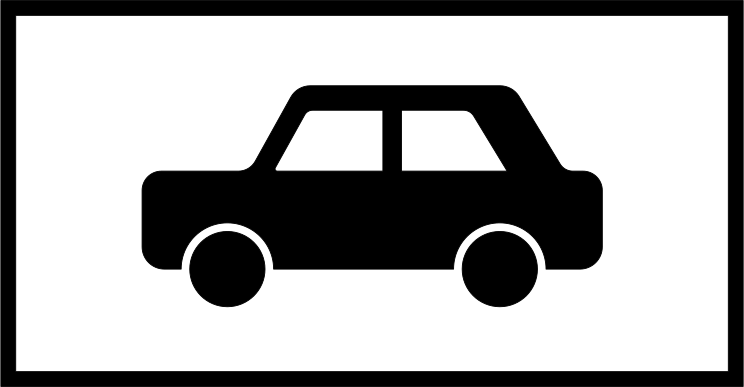 Car807.1
 -
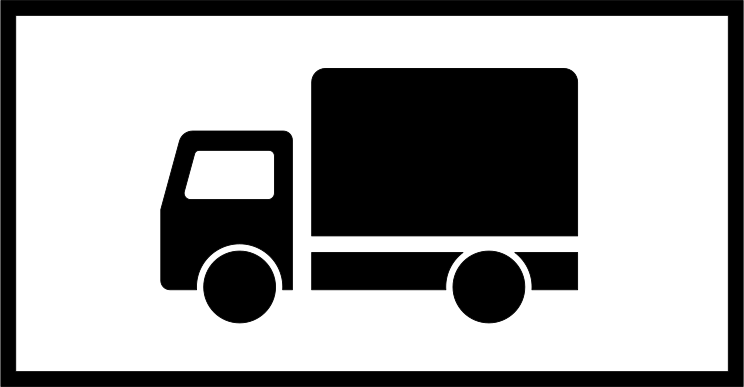 Van, lorry and towing vehicle807.2
 -
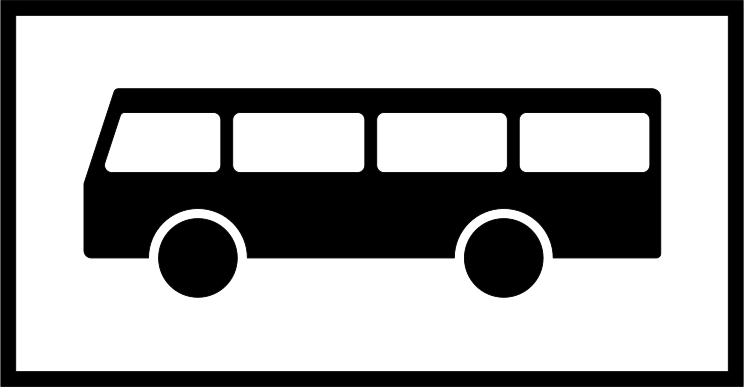 Bus807.3
 -
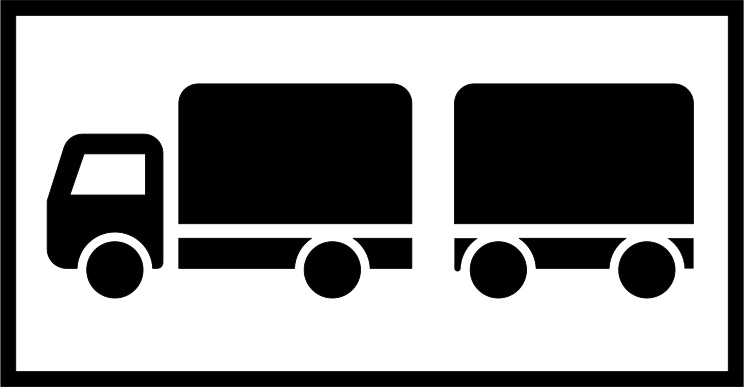 Articulated vehicle807.4
 -
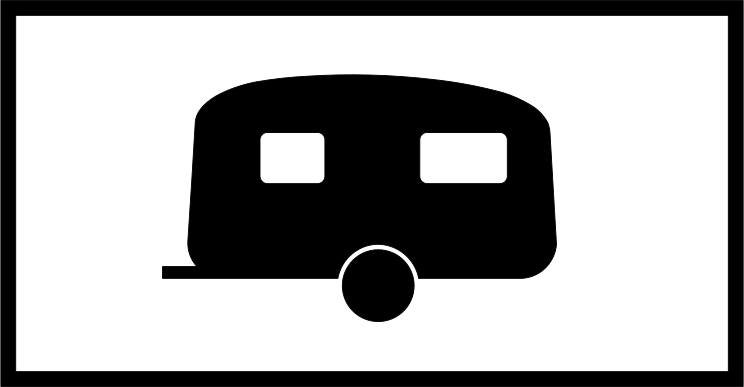 Trailer specially fitted for camping use, and any towing vehicle807.5
 -
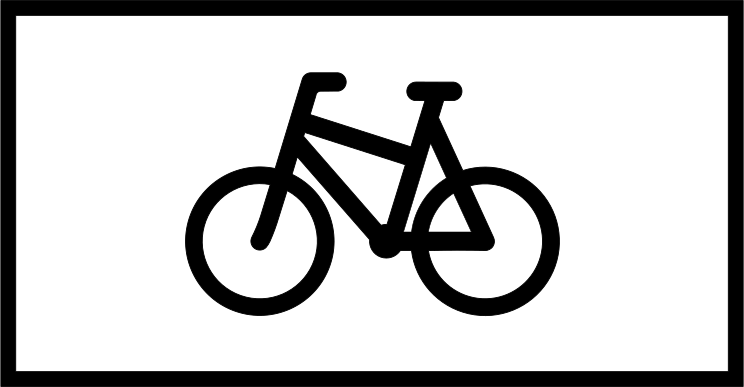 Bicycle and small electric vehicle807.6
 -
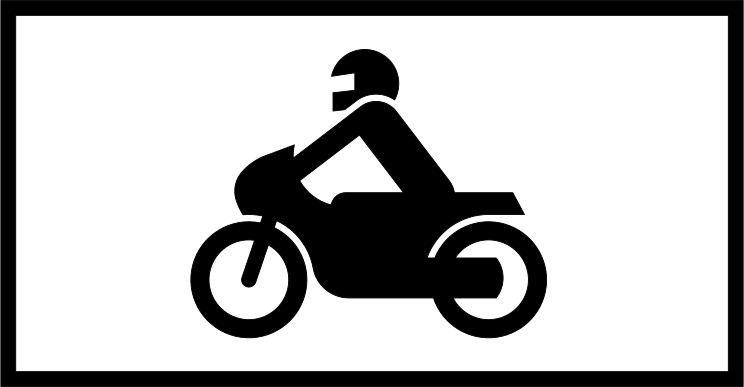 Two-wheeled motorcycle with or without sidecar, and two-wheeled moped807.7
 -
Disabled persons with a parking permit807.8
-
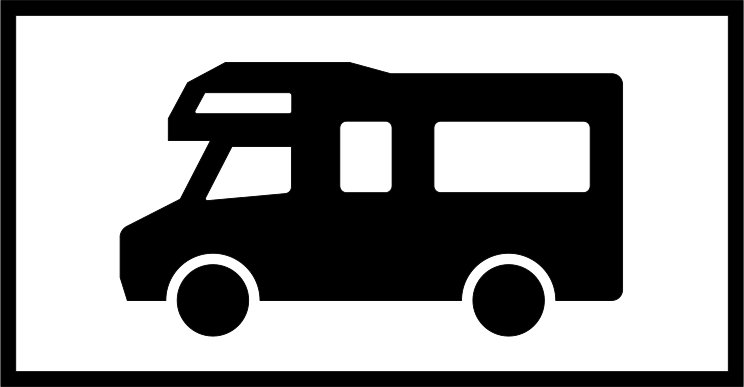 Vehicle specially fitted for camping use (motorhome)807.9
 -
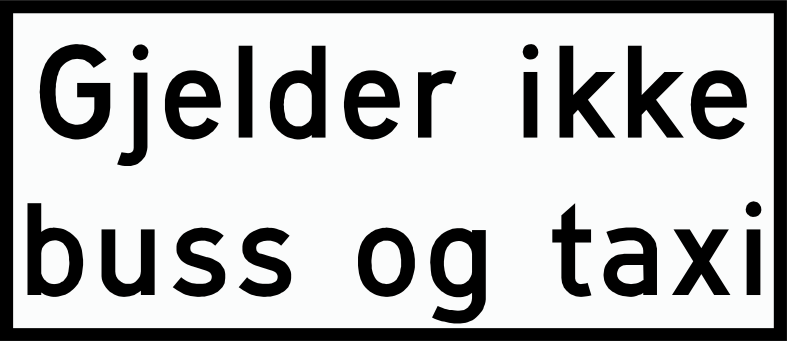 Text808
 -
 Turn arrow810
 -
Recommended speed812
-
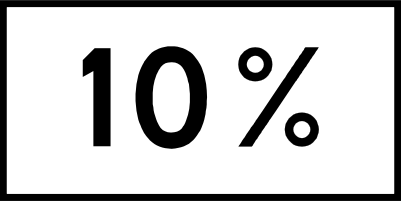 Gradient813.1
 -
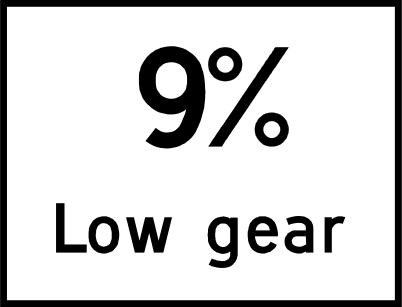 Gradient813.2
 -
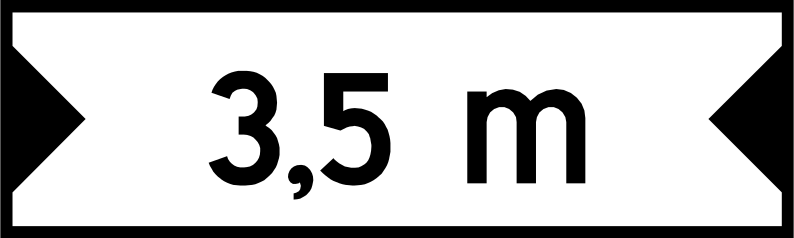 Actual clear road width814
 -
 Crossing timber transport816
 -
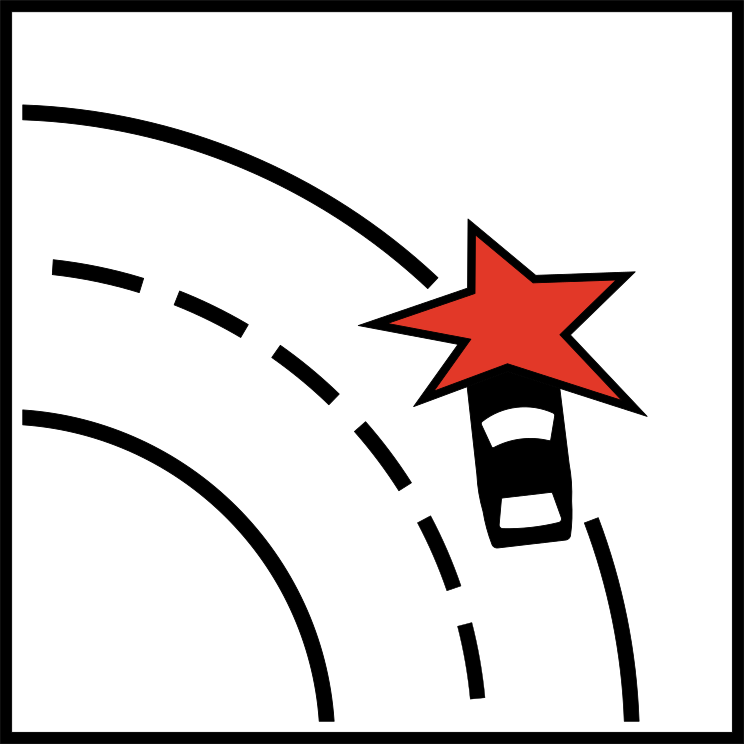 Particular risk of accident817
 -
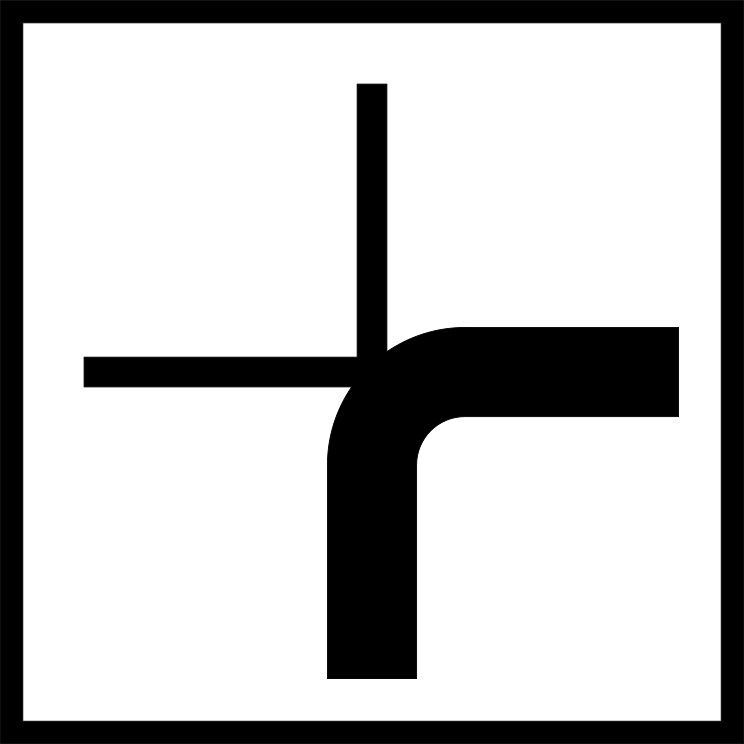 Layout of priority road822
 -
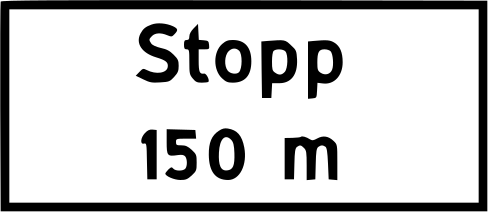 Advance warning of stop sign824
 -
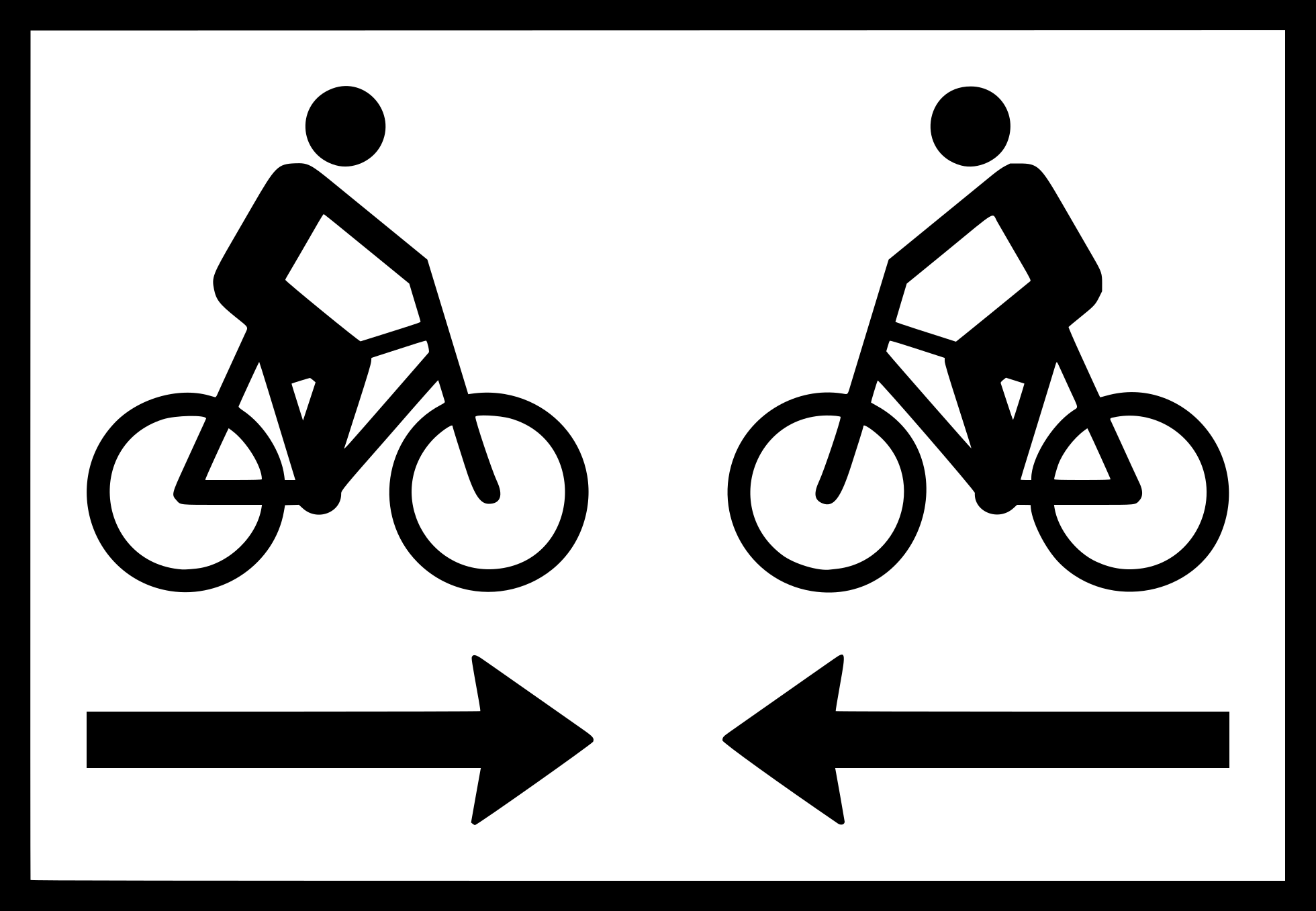 Cycle traffic in both directions826
 -
 Extent of stopping and parking restriction828
 -
 Extent of stopping and parking restriction - applies in both directions828.1
 -
 Extent of stopping and parking restriction - applies against the direction of travel828.2
 -
 Extent of stopping and parking restriction - applies in the direction of travel828.3
 -
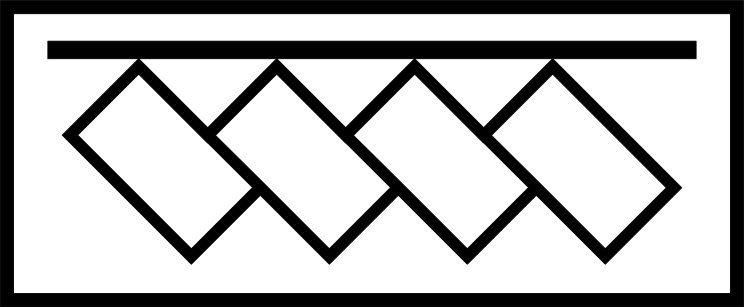 Parked vehicle positioning829
 -
Parking disc831
-
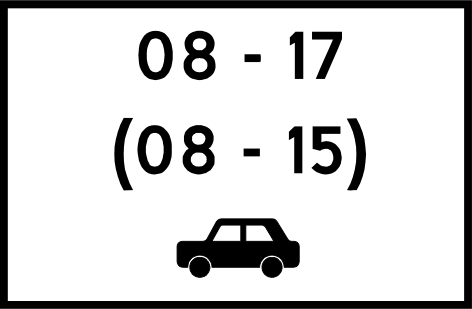 Combined regulation834
Frequently asked questions
Can a supplementary plate stand on its own?
No. It always modifies the sign above it and has no independent meaning without that sign.
Why do supplementary plates come up so often on the theory test?
Because they decide whether the rule above applies to you. Two otherwise identical options can be separated by the time window, the vehicle class or the arrow on the plate.