
Direction signs
The signs that show the way. The background colour is not decoration — it tells you what kind of road you are being pointed at.
Where the group sits in the regulations
The group holds 32 signs and is governed by chapter 8 of the Norwegian sign regulations: the general provisions in § 15, and the individual signs in § 16.
Read the colour first, the place name second
Direction signs carry their system in the colour. Green points to a motorway, blue to other main roads, white to local roads, and brown to sights and tourist destinations. So you can read what kind of road you are joining before you have read where it goes.
That is useful in practice, because the road type sets the rules: which vehicles may use it, what speeds are in play, and whether you can turn round or stop at all.
Road numbers and distances
Besides place names, many of these signs carry a road number. The number is the part that does not change along the way, which makes it the simplest way to stay on the same road through several junctions.
Distances given are to the place, not to the exit. On long stretches that is a common source of confusion, and a reason to read the whole sign rather than only the top line.
Six signs from the group, explained
-
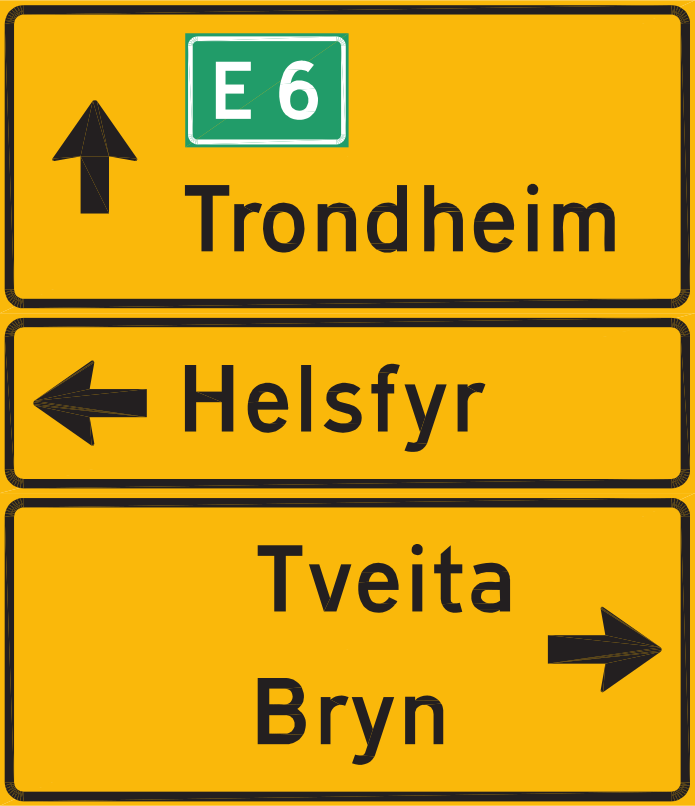
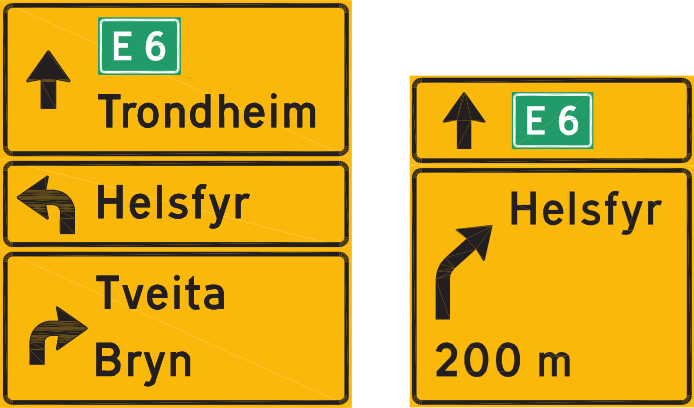 Tabular advance direction sign 701
Gives advance warning of a junction or an exit by showing road numbers and/or place names arranged in a table. The driver uses the sign to position correctly well before the junction.
-
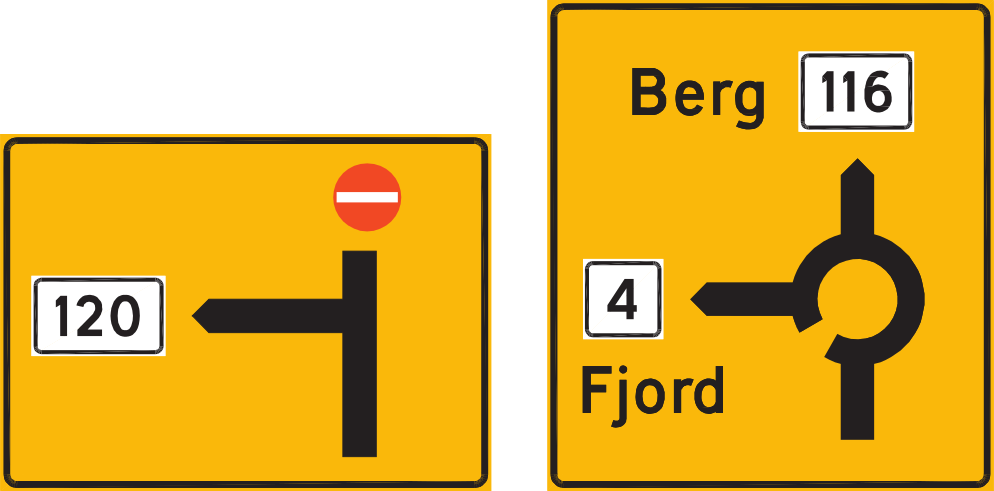 Diagrammatic advance direction sign 703
Gives advance warning of a junction by showing the layout of the junction as a diagram with road numbers and/or destinations. The driver gets oriented about the direction of travel and chooses the correct lane before the junction.
-
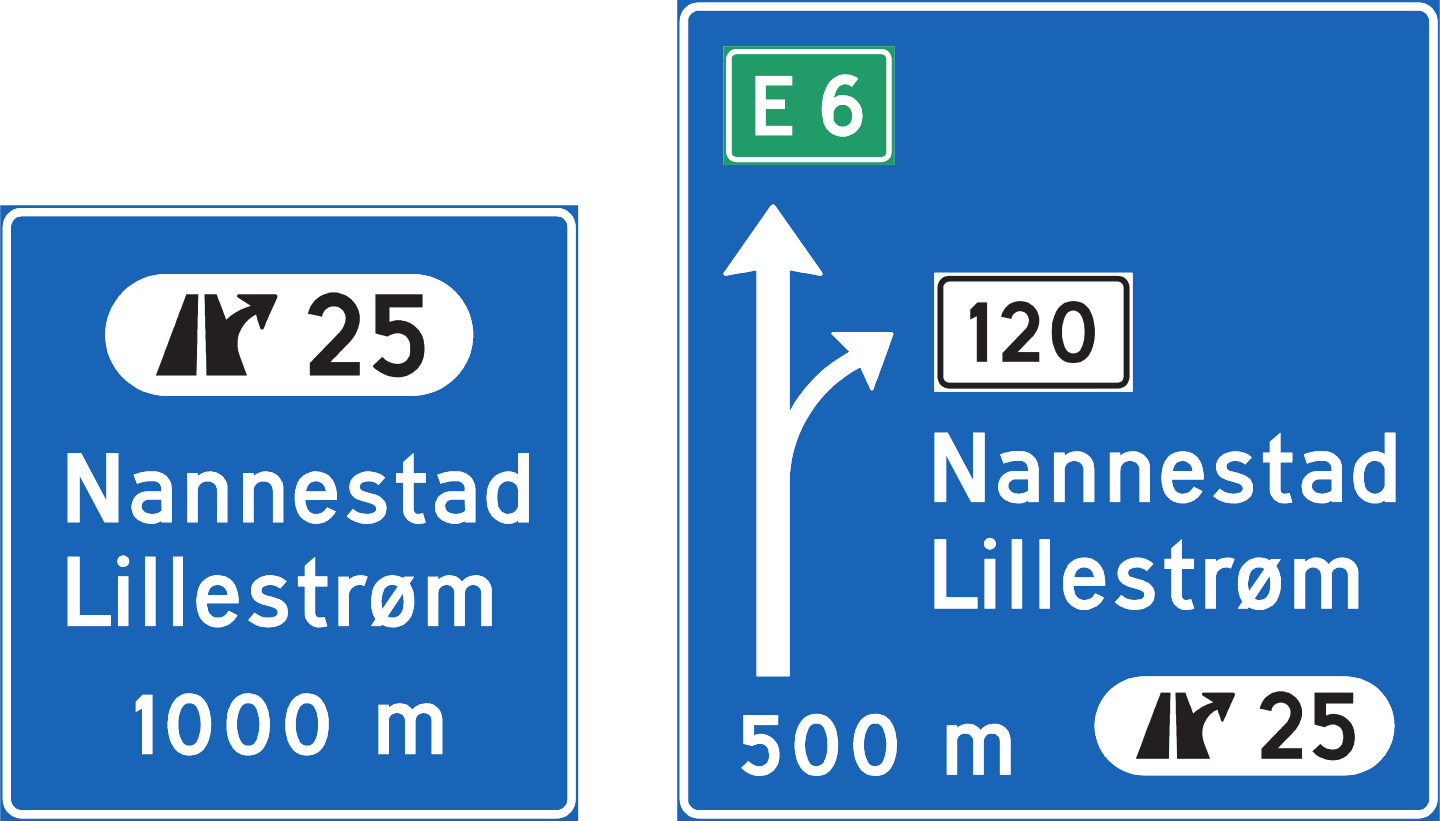 Exit direction sign 705
Gives advance warning of an exit from a motorway or other road with a grade-separated junction, showing destination and possibly distance. The driver prepares to turn off at the exit.
-
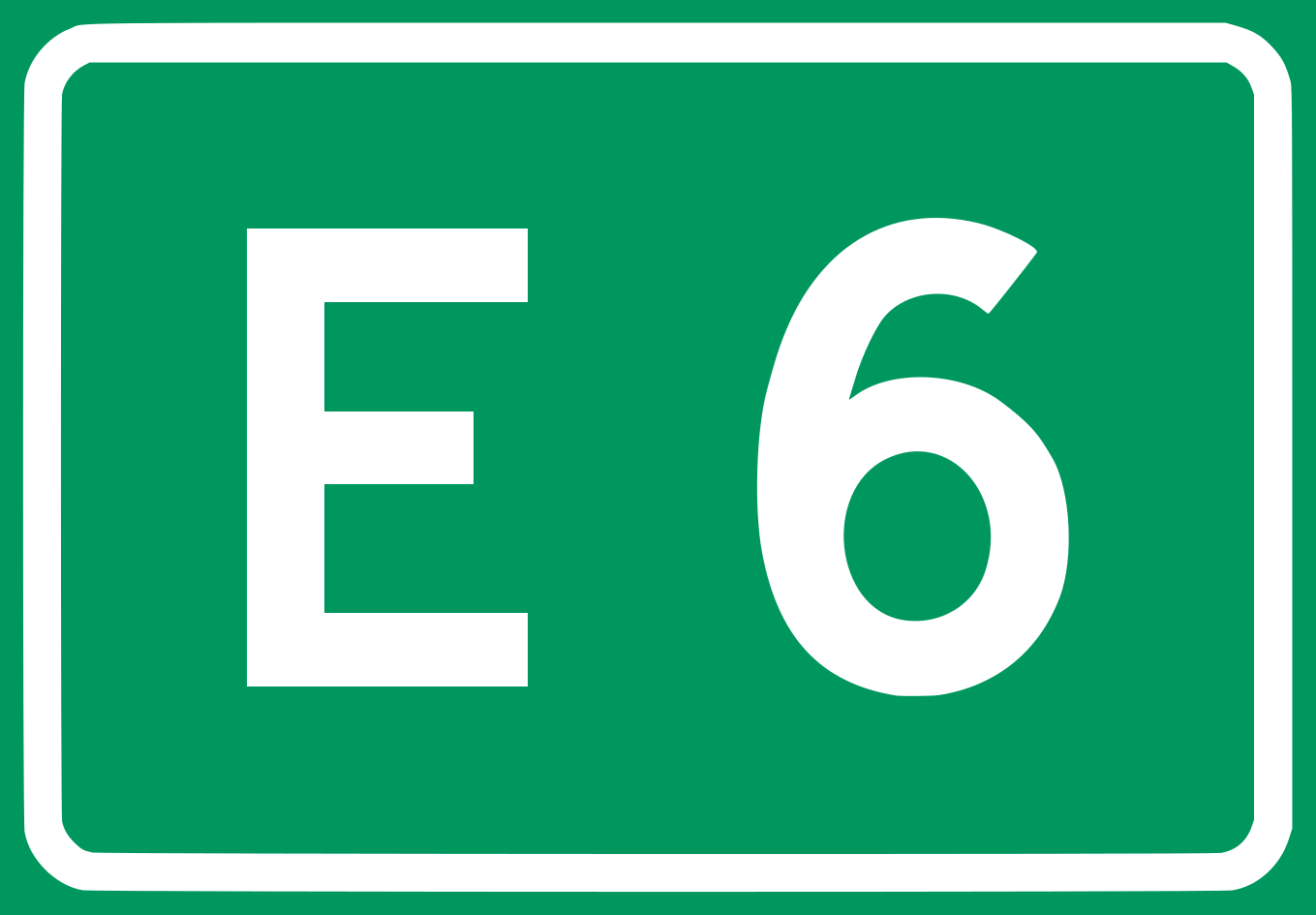 Road number for European route 723.11
Indicates the number of a European route (E-road), shown in white text on a green background. The driver uses the number to follow the correct route.
-
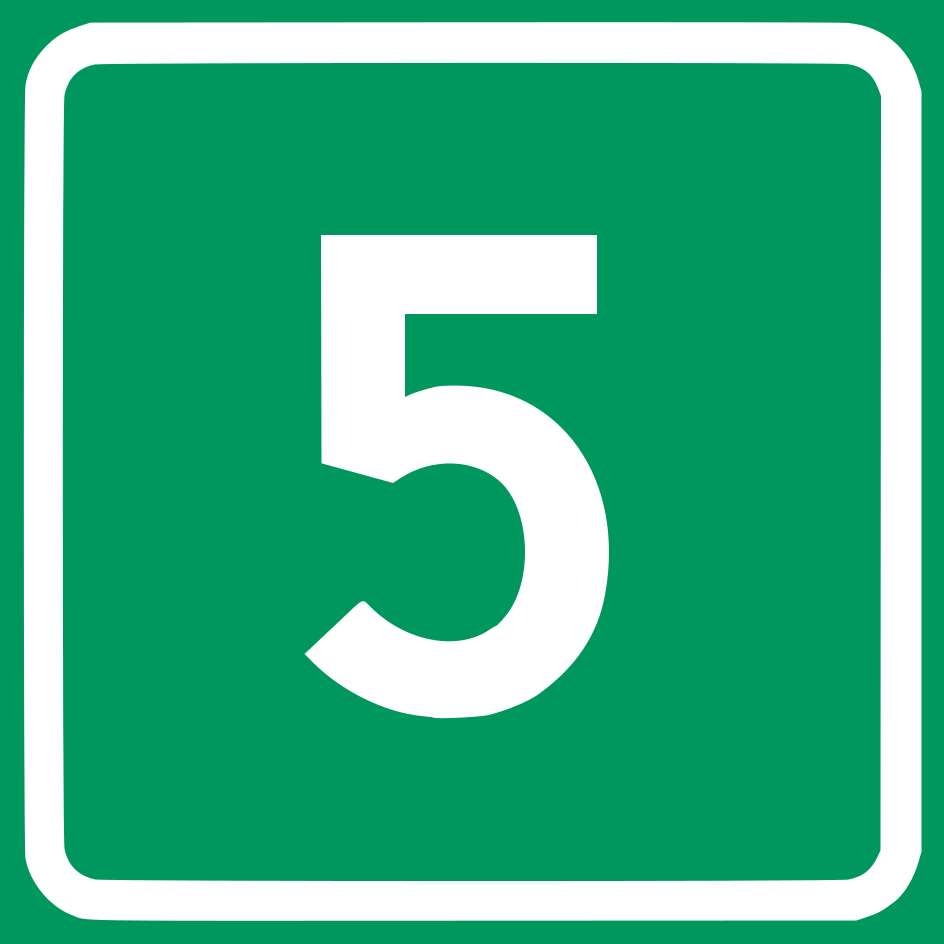 Road number for national road (non-European route) 723.13
Indicates the number of a national road that is not a European route. The driver uses the road number to get oriented and stay on the correct route.
-
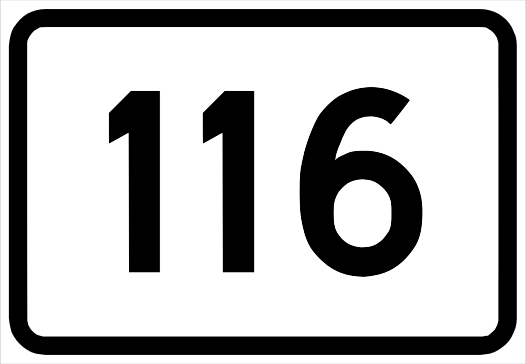 Road number for numbered county road 723.15
Indicates the number of a numbered county road. The driver uses the number to follow the desired route.
All 32 direction signs
Below are all 32 signs in the group as they actually look. Tap a sign for its name, its meaning and what the test tends to ask about it.
-
Tabular advance direction sign701
-
Diagrammatic advance direction sign703
-
Exit direction sign705
-
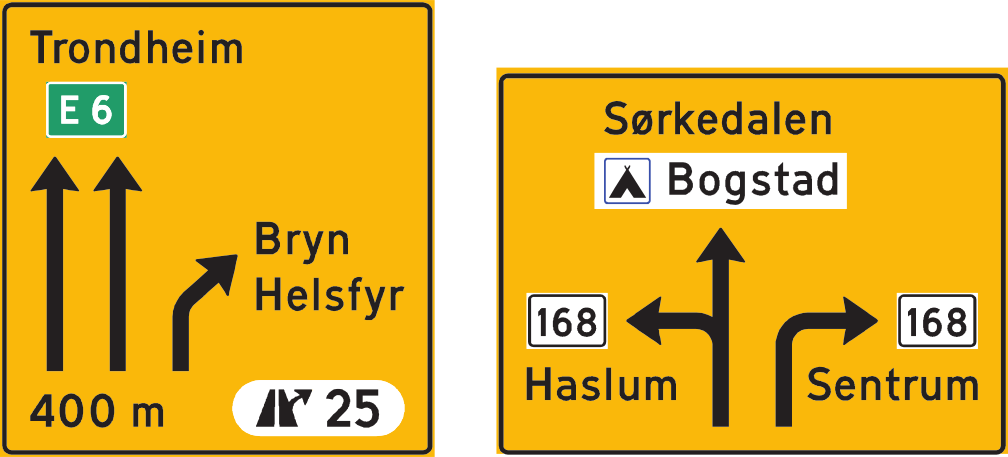 Lane direction sign707
 -
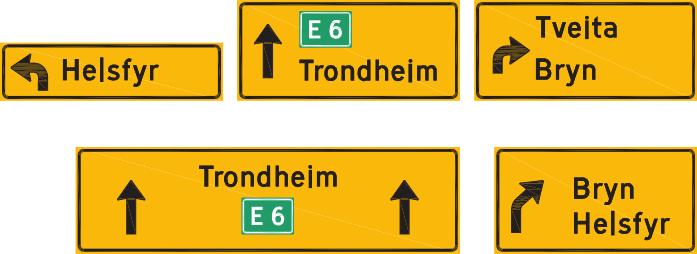 Gantry direction sign709
 -
 Tabular direction sign711
 -
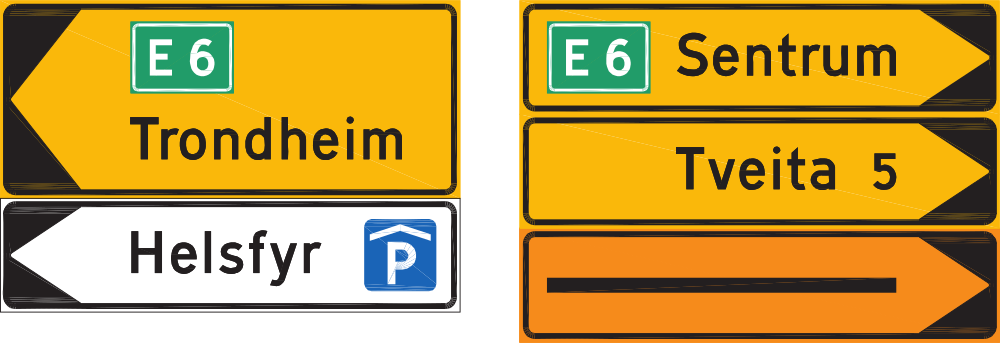 Standard direction sign713
 -
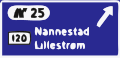 Exit direction sign715
 -
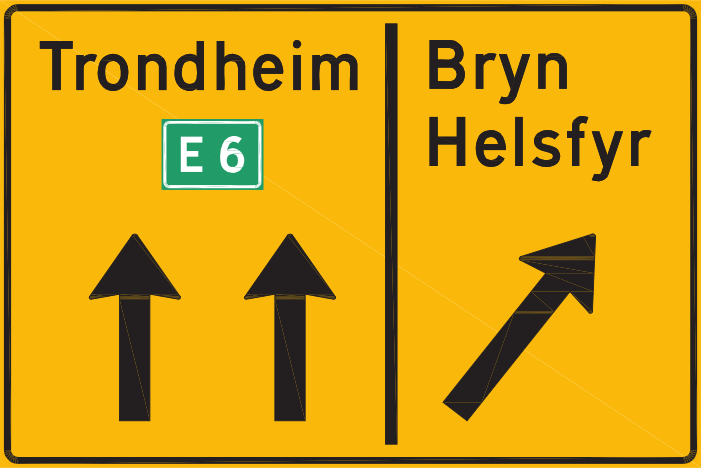 Lane direction sign717
 -
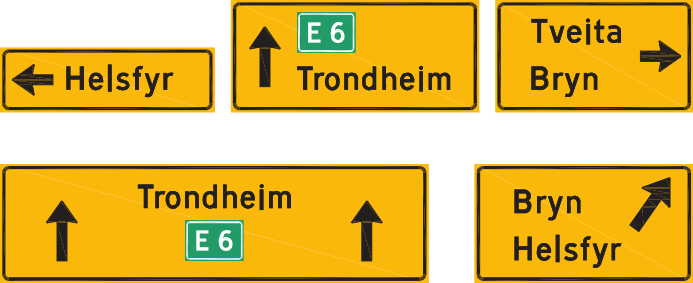 Gantry direction sign719
 -
Road number for European route723.11
-
Road number for national road (non-European route)723.13
-
Road number for numbered county road723.15
-
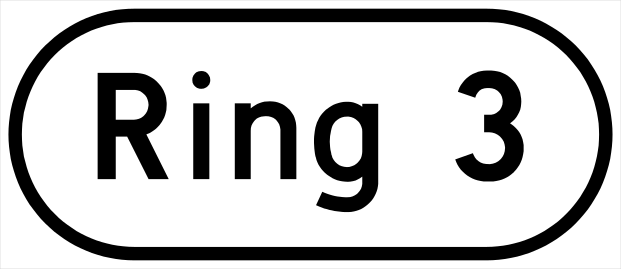 Ring route723.21
 -
 National tourist route723.31
 -
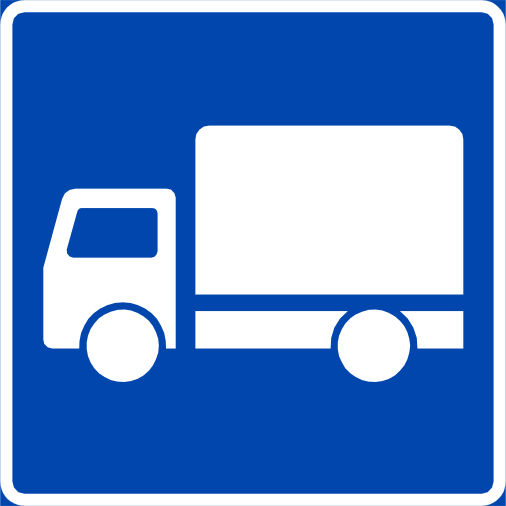 Diversion route for large vehicles723.41
 -
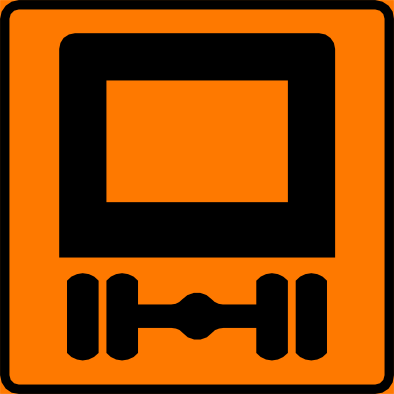 Route for transport of dangerous goods723.51
 -
 Other diversion routes723.61
 -
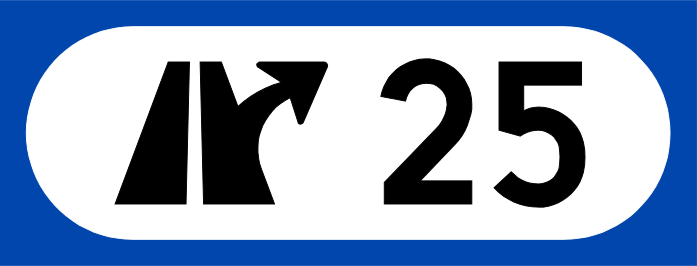 Junction number on multi-lane road723.71
 -
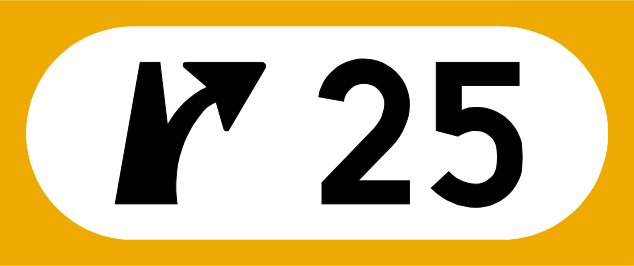 Junction number on two-lane road723.73
 -
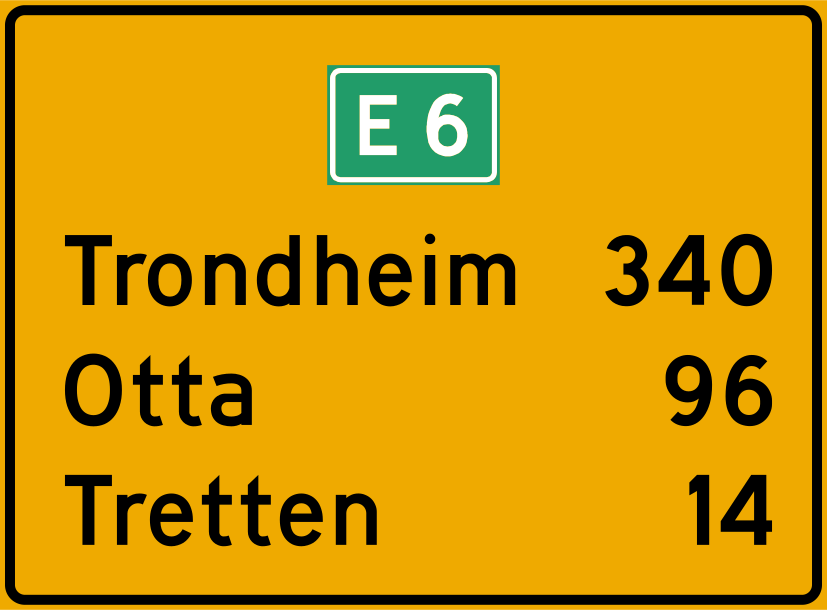 Distance sign725
 -
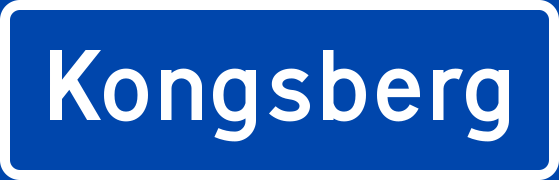 Place name sign727
 -
 Street/road name sign729
 -
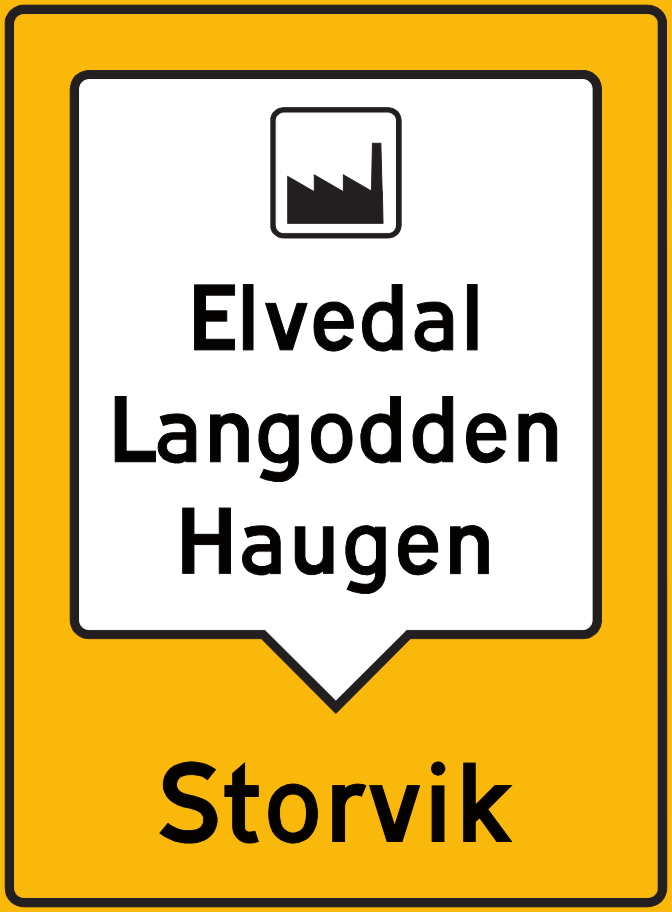 Combined direction sign731
 -
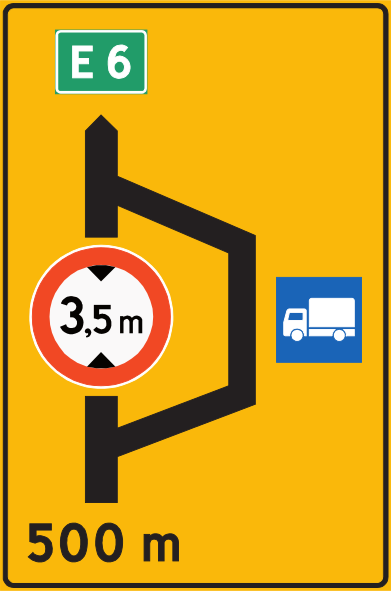 Diversion for specific vehicle groups741
 -
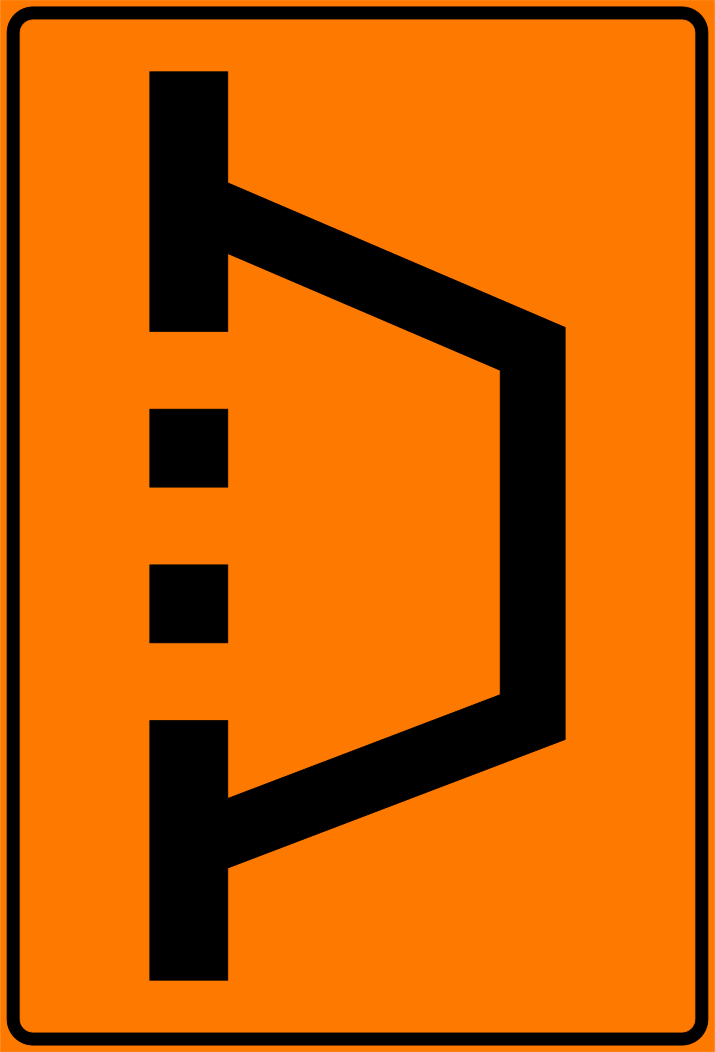 Temporary diversion743
 -
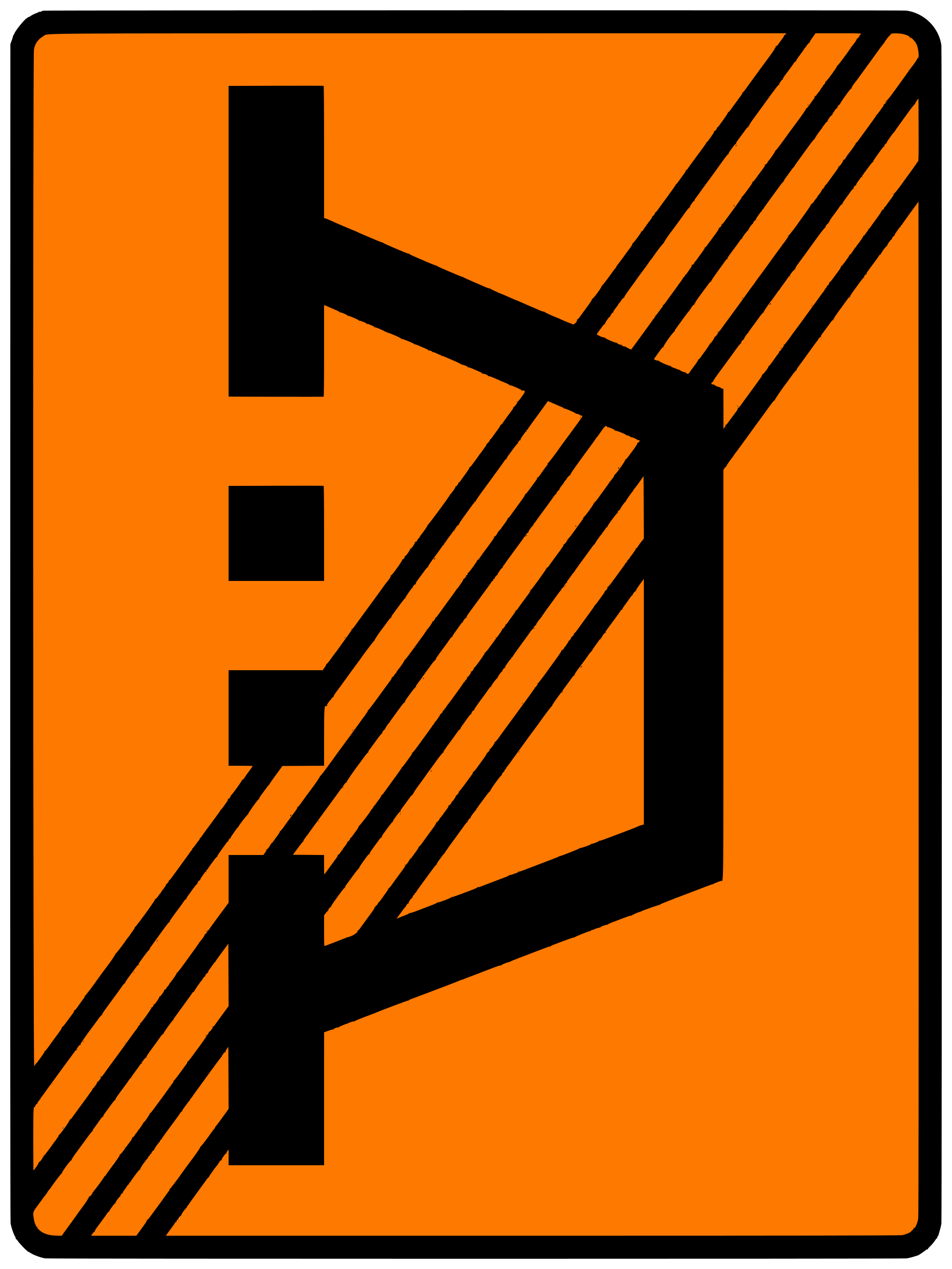 End of temporary diversion745
 -
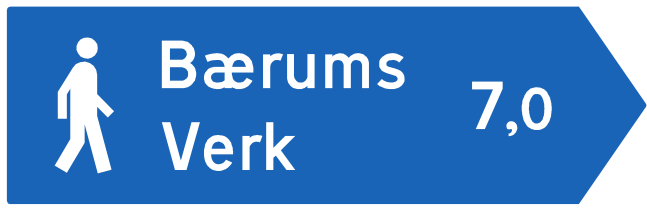 Pedestrian direction sign749
 -
 Cycle route direction sign751
 -
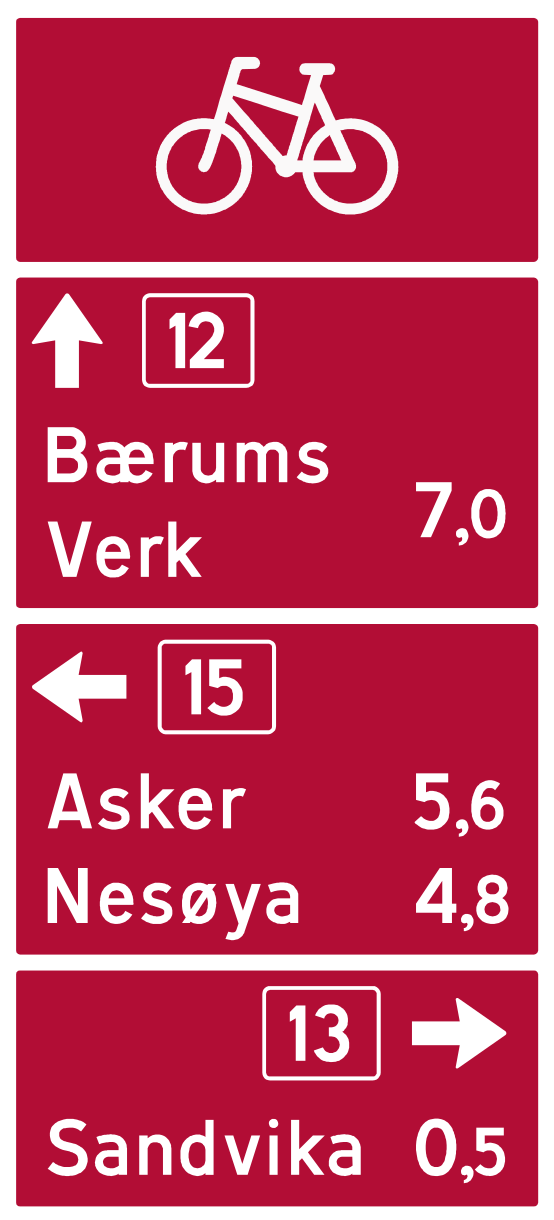 Cycle route table sign753
 -
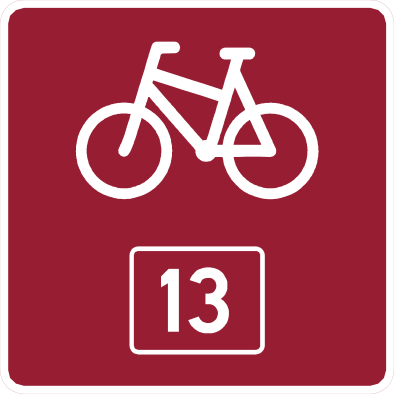 Cycle route sign755
 -
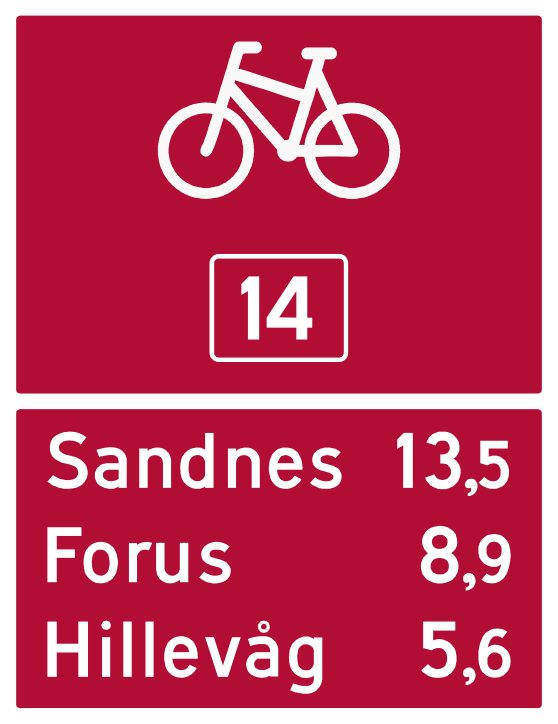 Cycle route distance sign757
Frequently asked questions
What does the colour of a direction sign mean?
Green points to a motorway, blue to other main roads, white to local roads, brown to sights and tourist destinations. The colour tells you the road type, and therefore which rules apply there.
Why is the road number on the sign?
Because the number follows the road the whole way. Place names change with where you are, but the number is the reliable way to stay on the same road through several junctions.