
Information signs
The largest group of Norwegian signs. They look like information, but many of them switch on a whole set of rules the moment you pass them.
Where the group sits in the regulations
The group holds 52 signs and is governed by chapter 6 of the Norwegian sign regulations: the general provisions in § 11, and the individual signs in § 12.
Information with rules inside it
Information signs are mostly rectangular with a blue ground. The name makes them easy to underestimate: a sign that merely "informs" you what kind of road or area you are on is also telling you which rules apply there.
That is why this group is so well represented on the theory test despite rarely looking dramatic. The sign that tells you the road type is also the sign that decides who may drive there, how fast, where you may stop and how you must turn.
It applies until it is cancelled
Most of these signs have their own "end" sign. Between the two, the rules the sign introduced apply — however far that is and however many junctions you pass. That is a different logic from the prohibitory group, where a junction is often enough to end the ban.
So looking for the end sign is a habit that pays: if you have not seen it, the rules are still in force.
Six signs from the group, explained
-
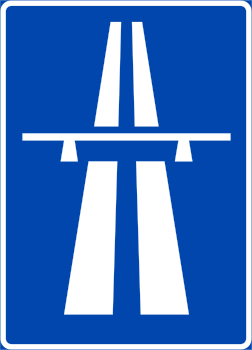 Motorway 502
Indicates that the traffic rules for motorways apply from this sign. Among other things, pedestrians, cyclists and slow-moving vehicles are prohibited, and the rules apply until the road ends or sign 504 is put up.
-
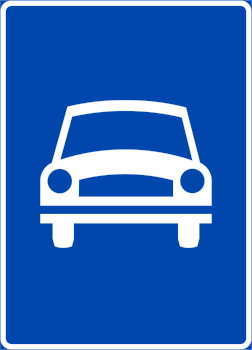 Expressway 503
Indicates that the traffic rules for expressways apply from this sign. The rules are similar to those for motorways, and apply until sign 505.
-
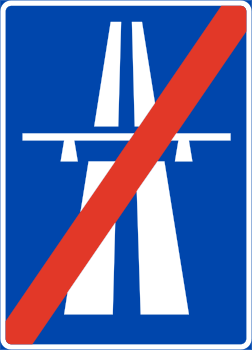 End of motorway 504
Indicates that the motorway and its special traffic rules end here. You must adapt your driving to ordinary traffic rules.
-
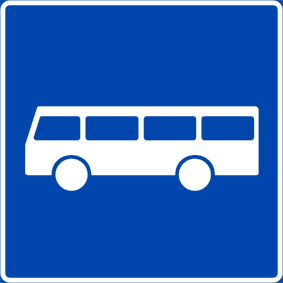 Public transport lane 508
The sign indicates a lane reserved for public transport. Two-wheeled motorcycles and mopeds may also use the lane. A supplementary plate may state that the lane is time-limited or open to further groups, for example taxis.
-
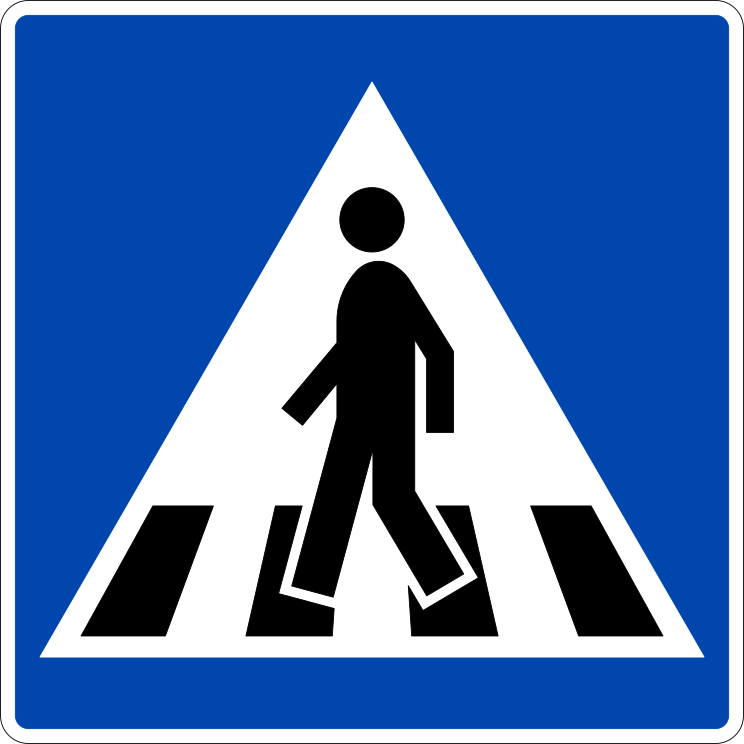 Pedestrian crossing 516
Indicates a pedestrian crossing where pedestrians cross the road. You must take particular care and allow pedestrians who are on or about to enter the crossing the opportunity to cross.
-
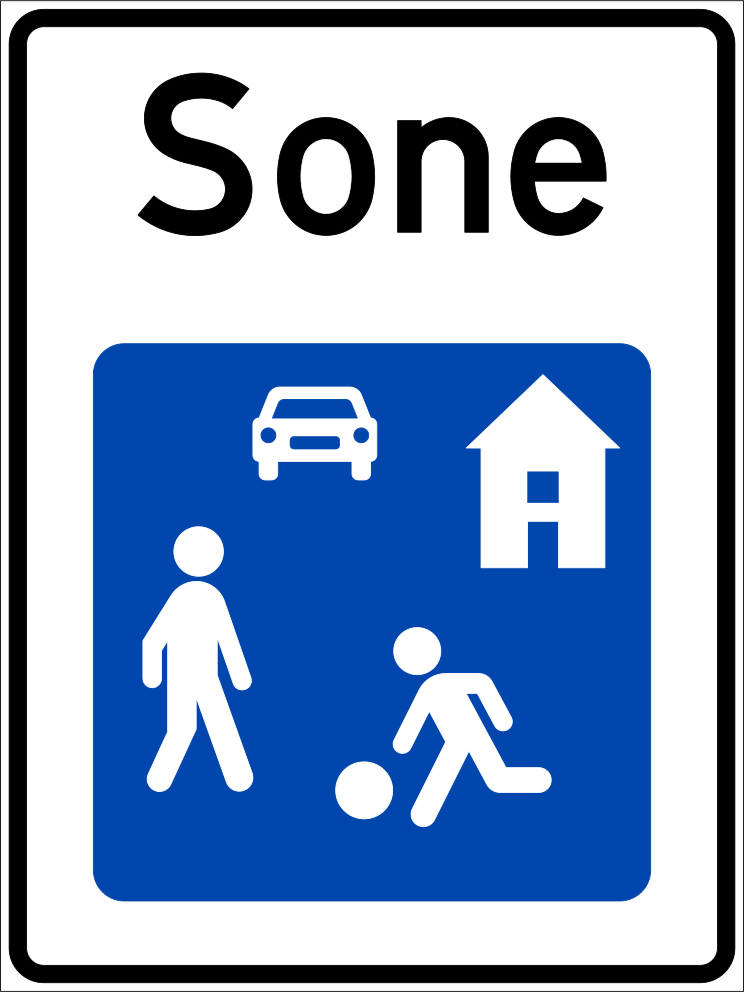 Home zone 540
Indicates the boundary of an area where the traffic rules for home zones apply. Drivers must give way to pedestrians, you must drive at walking pace, and the rules apply until sign 542.
All 52 information signs
Below are all 52 signs in the group as they actually look. Tap a sign for its name, its meaning and what the test tends to ask about it.
-
Motorway502
-
Expressway503
-
End of motorway504
-
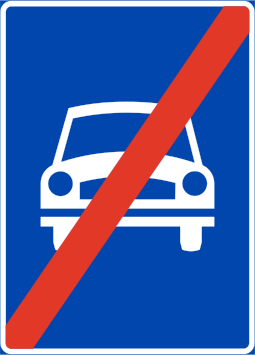 End of expressway505
 -
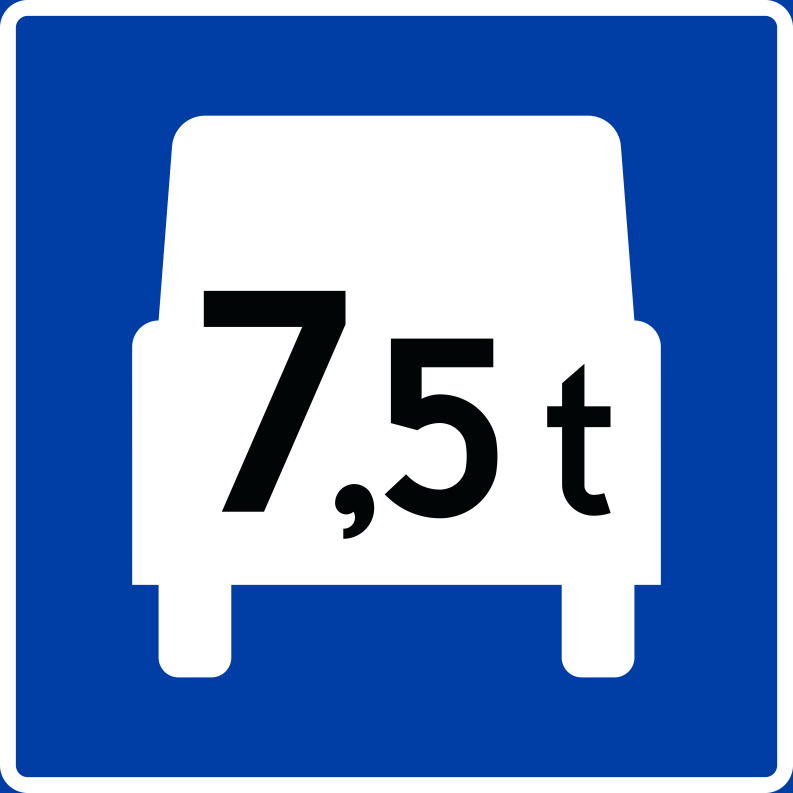 Heavy vehicle lane506
 -
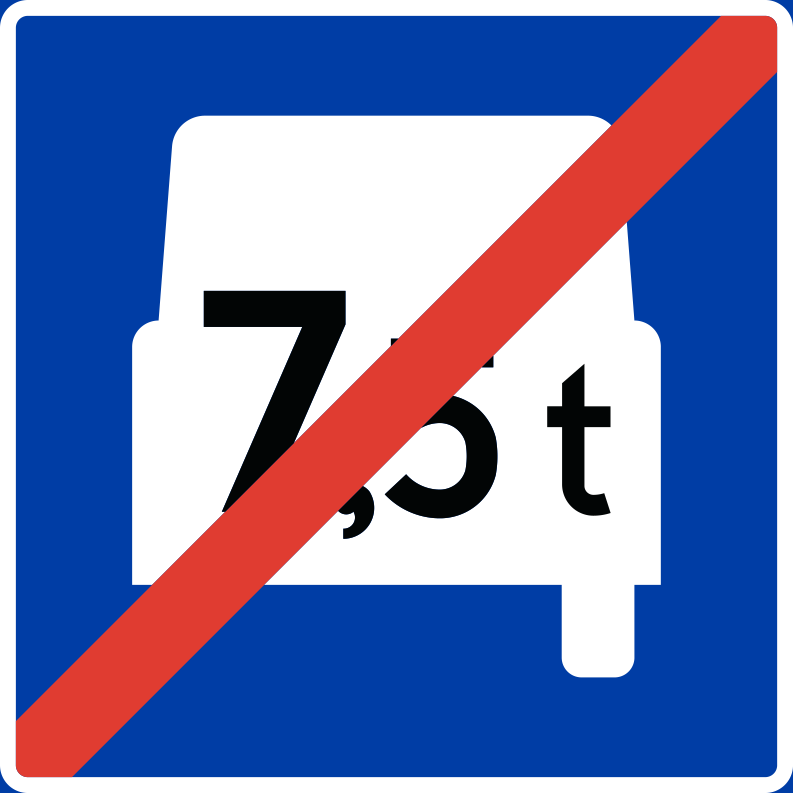 End of heavy vehicle lane507
 -
Public transport lane508
-
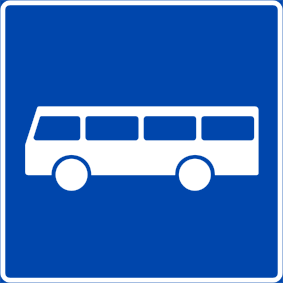 Bus lane – bus508.1
 -
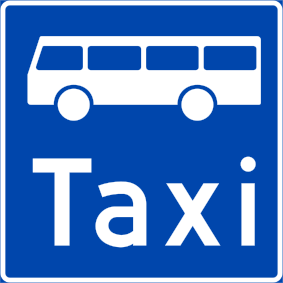 Bus lane – bus and taxi508.2
 -
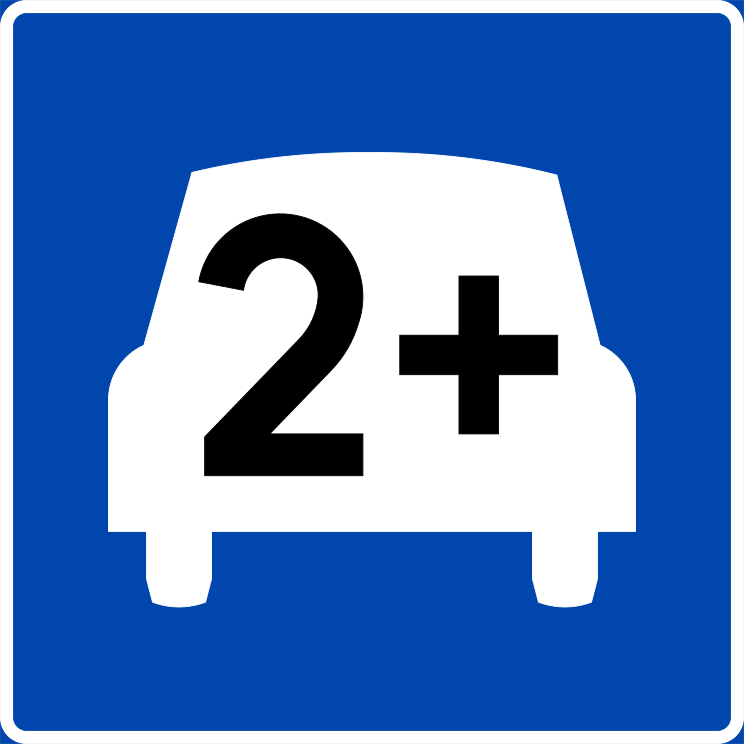 High-occupancy vehicle lane509
 -
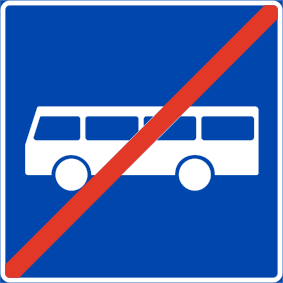 End of bus lane510.1
 -
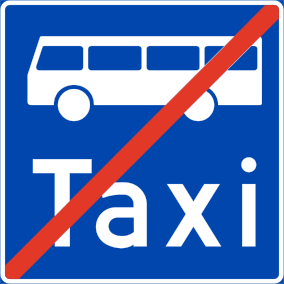 End of bus lane510.2
 -
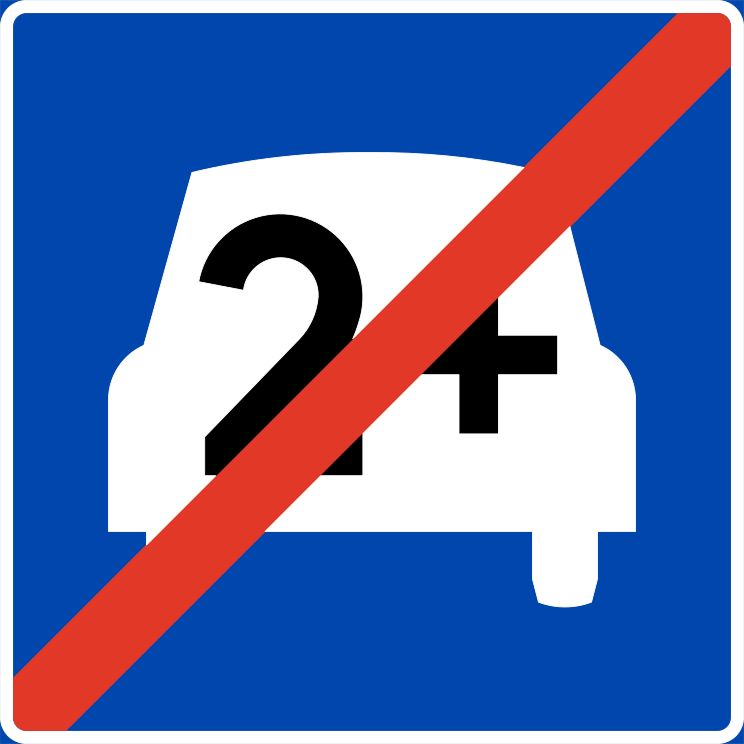 End of high-occupancy vehicle lane511
 -
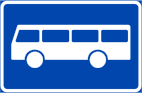 Bus stop512
 -
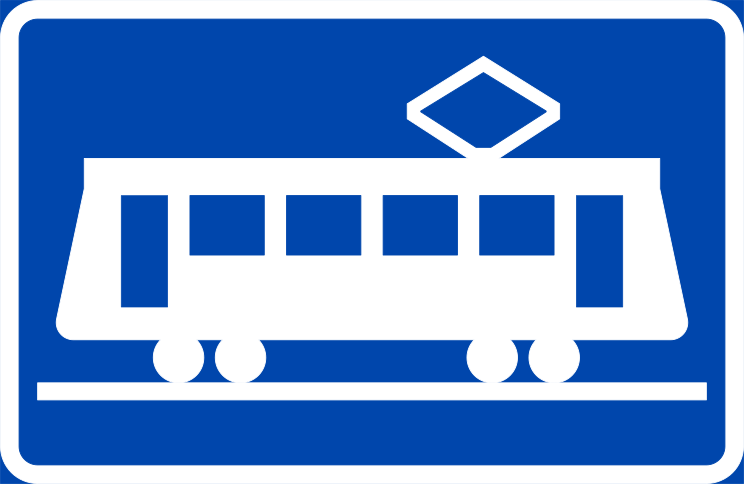 Tram stop513
 -
 Taxi stand514
 -
Pedestrian crossing516
-
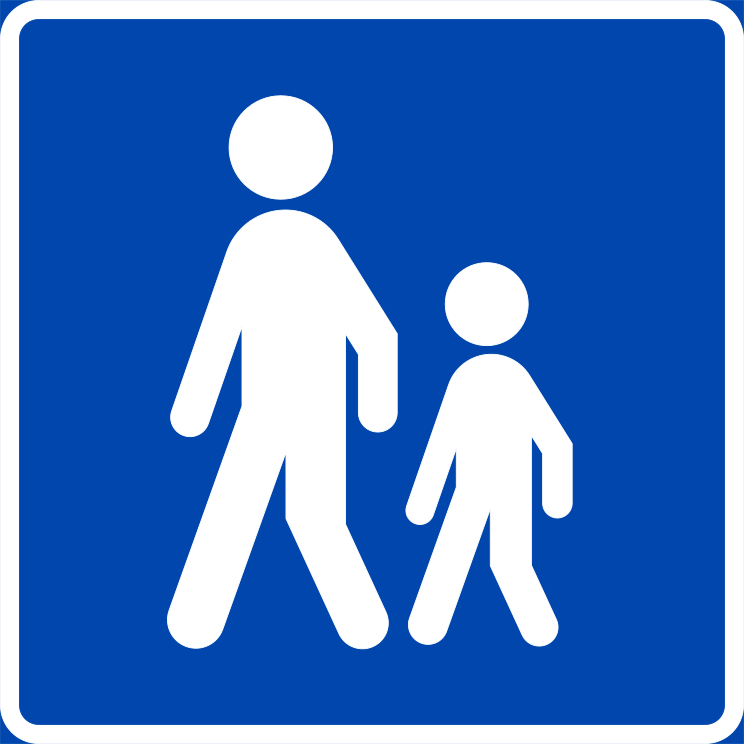 Pedestrian path518
 -
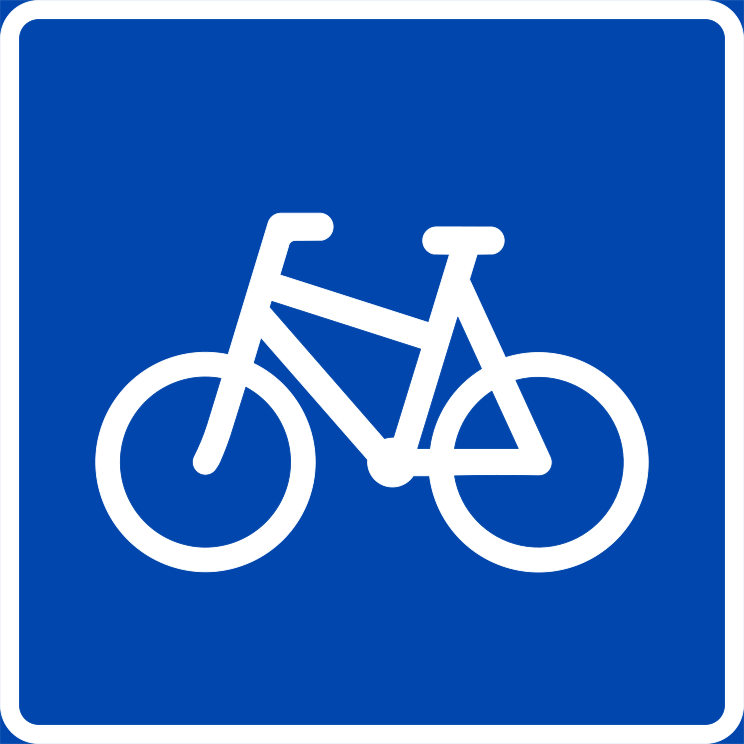 Cycle path520
 -
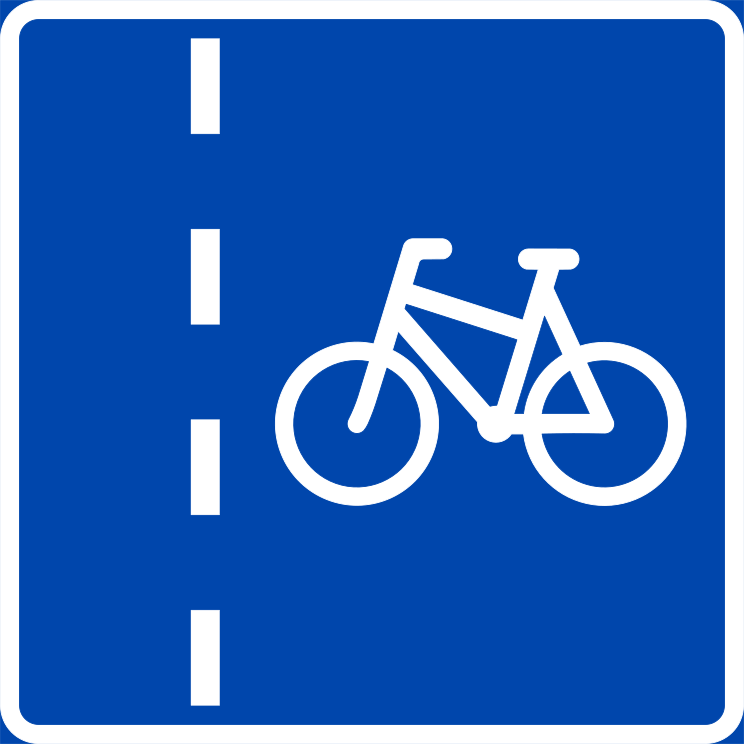 Cycle lane521.1
 -
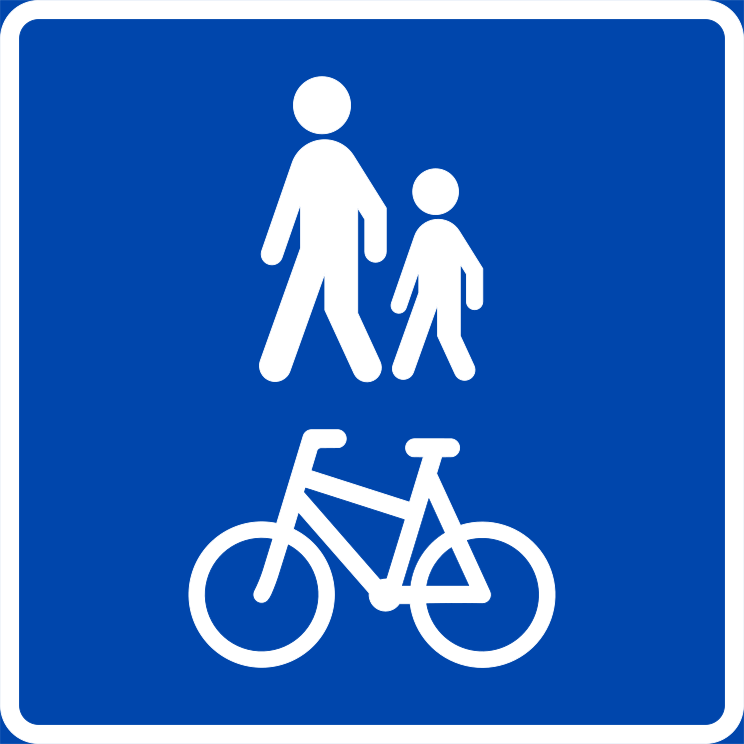 Combined pedestrian and cycle path522
 -
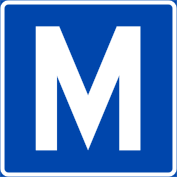 Passing place524
 -
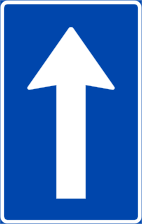 Lane configuration526
 -
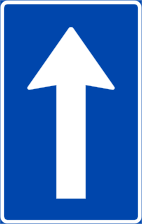 One-way traffic526.1
 -
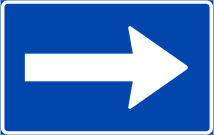 One-way traffic526.2
 -
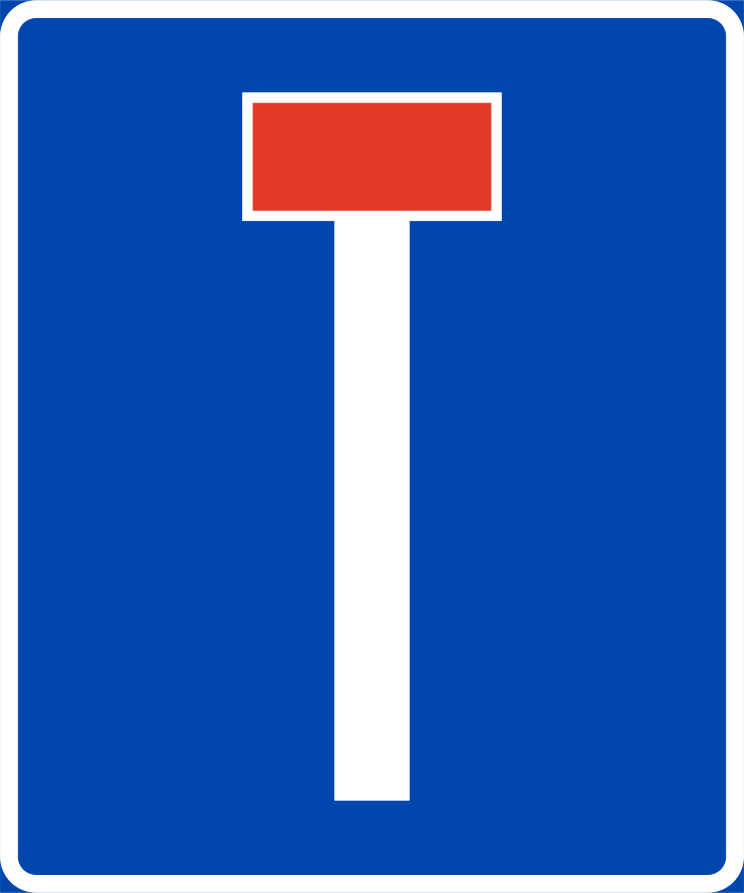 Dead end – road ahead527.1
 -
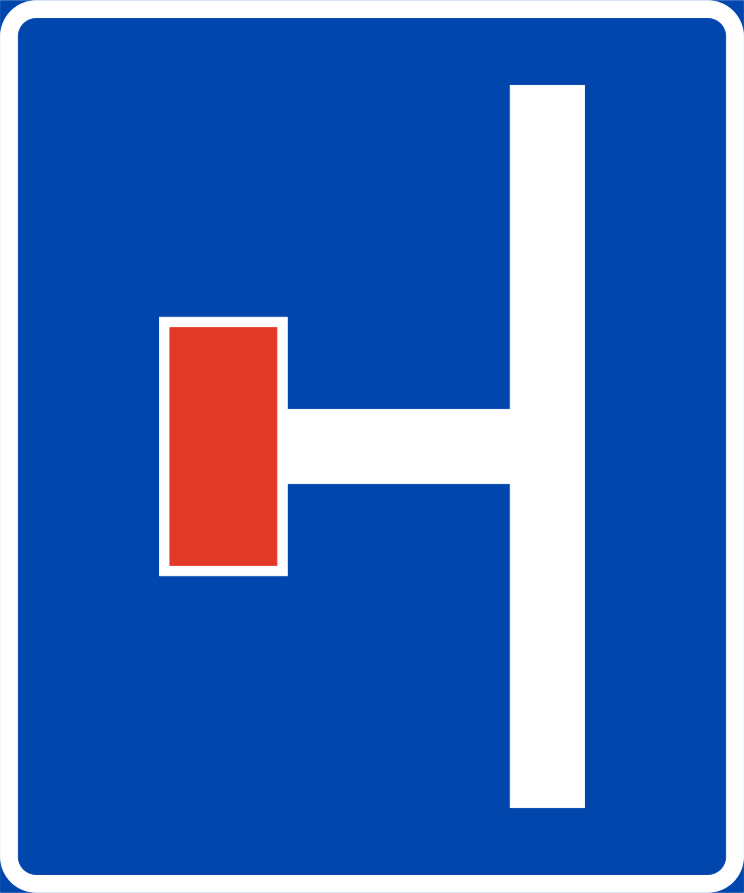 Dead end – side road527.2
 -
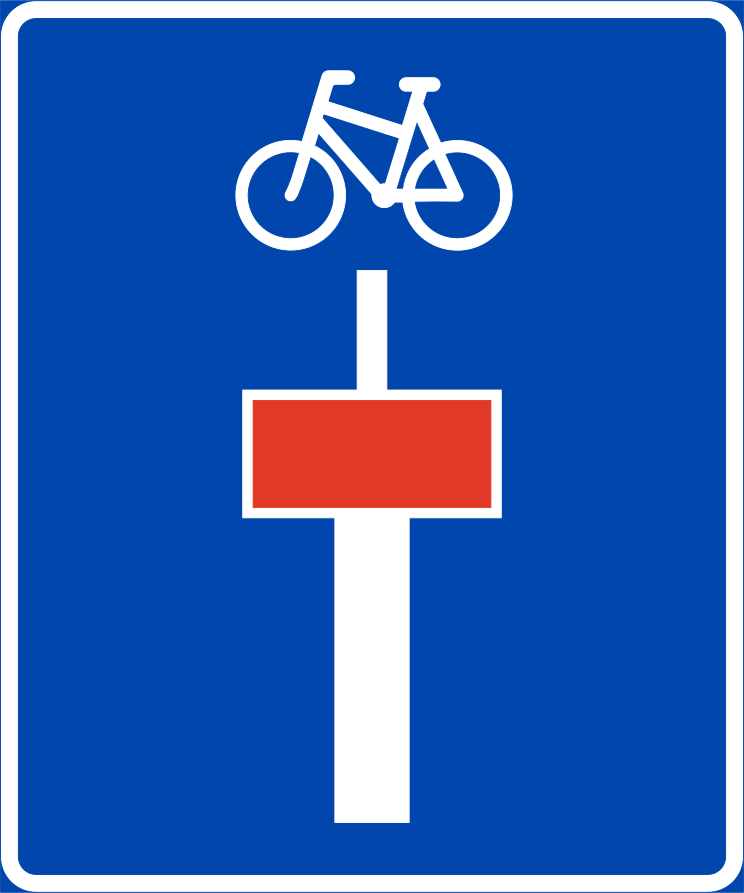 Dead end – ahead, open to pedestrians and cyclists527.3
 -
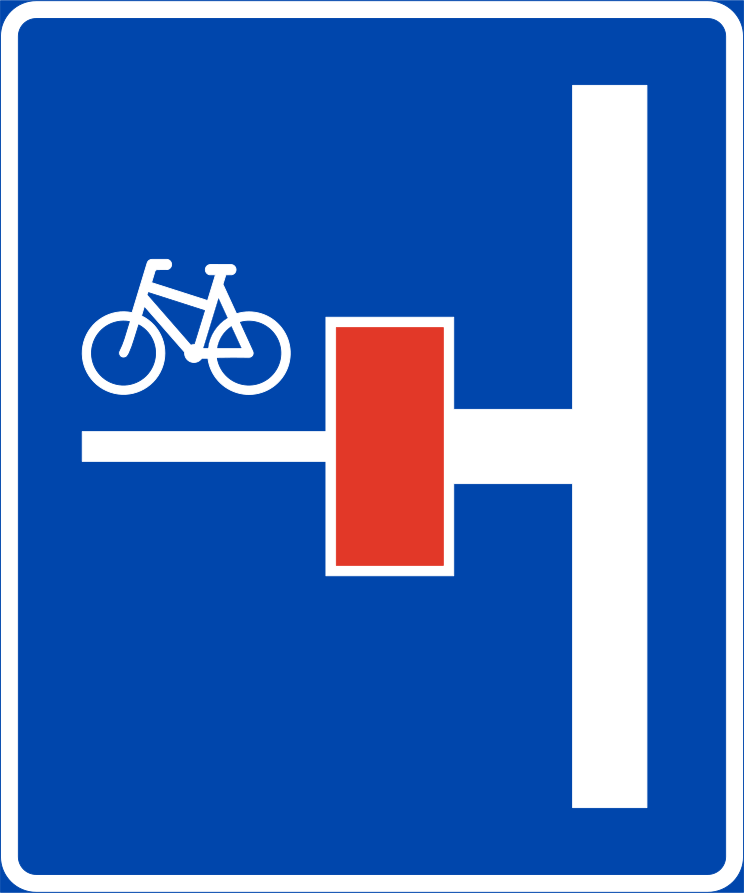 Dead end – side road, open to pedestrians and cyclists527.4
 -
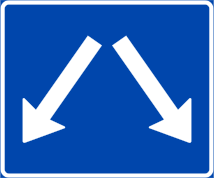 Optional traffic lane528
 -
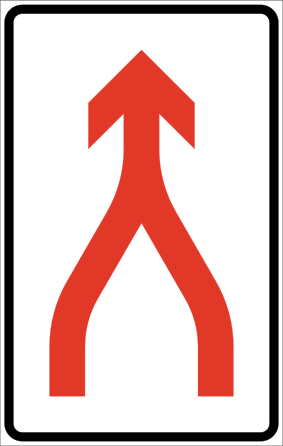 Merging lanes530
 -
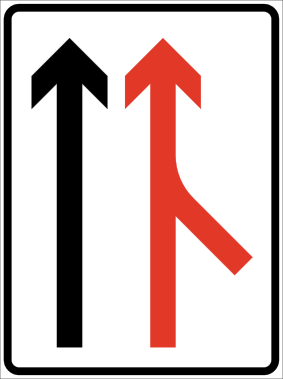 Acceleration lane531.1
 -
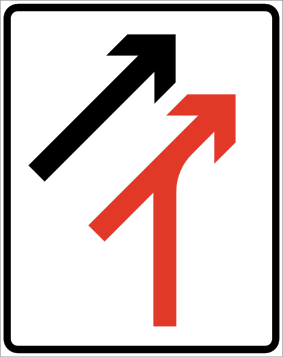 Acceleration lane531.2
 -
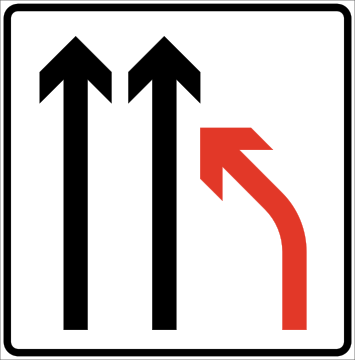 Lane ends532
 -
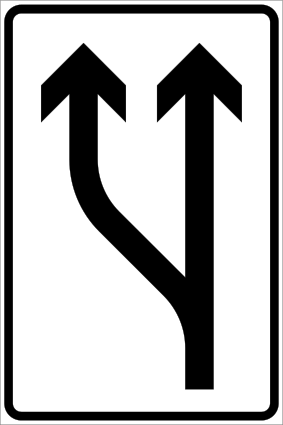 Lane begins534
 -
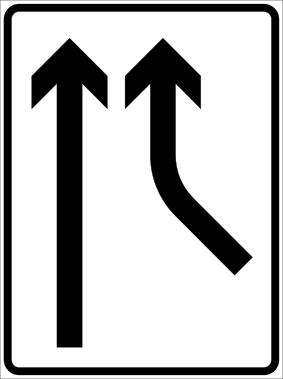 Entering traffic continues in its own lane536.1
 -
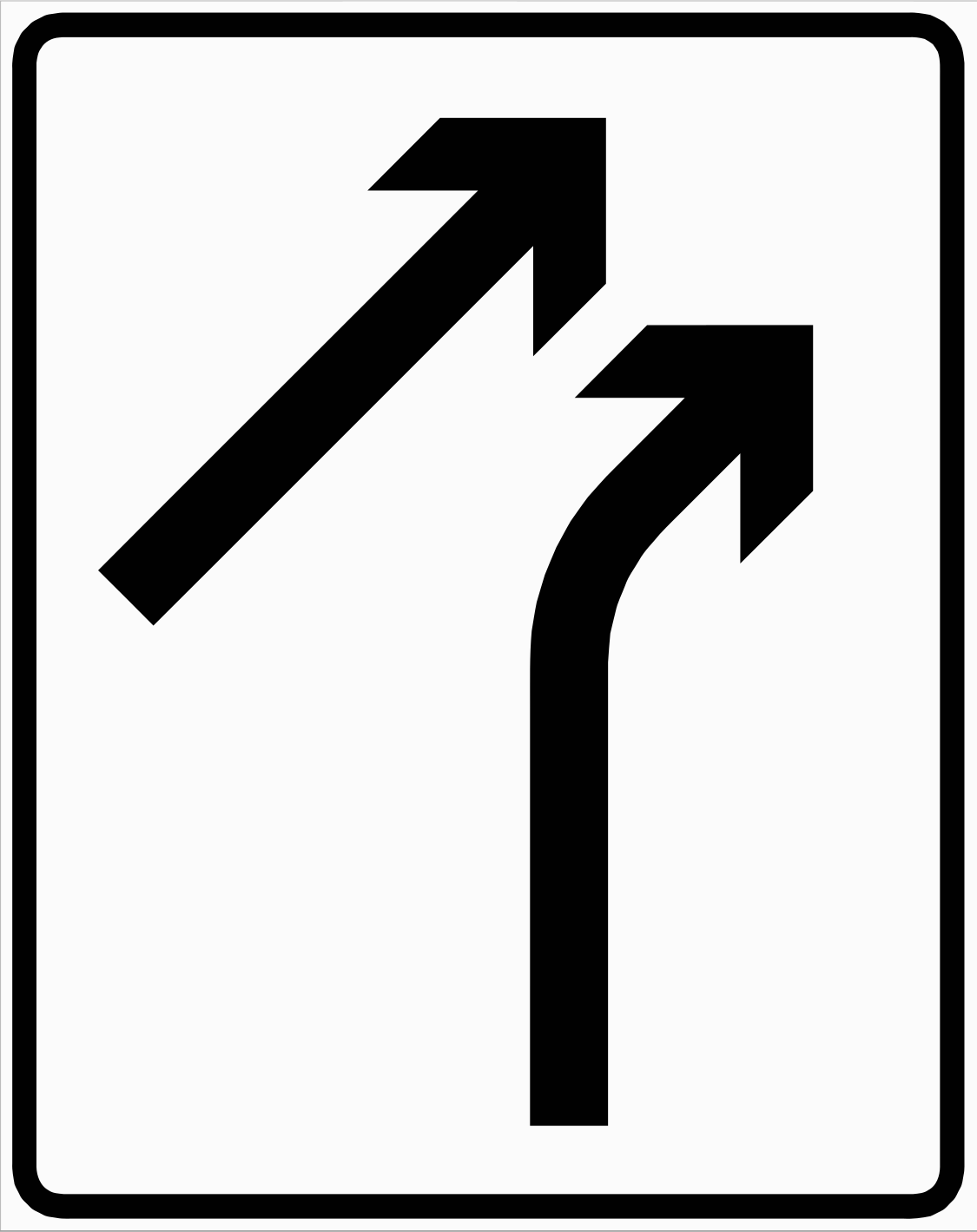 Entering traffic continues in its own lane536.2
 -
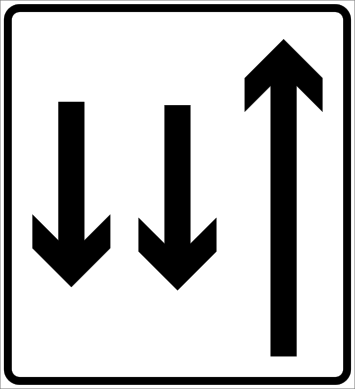 Lane configuration538
 -
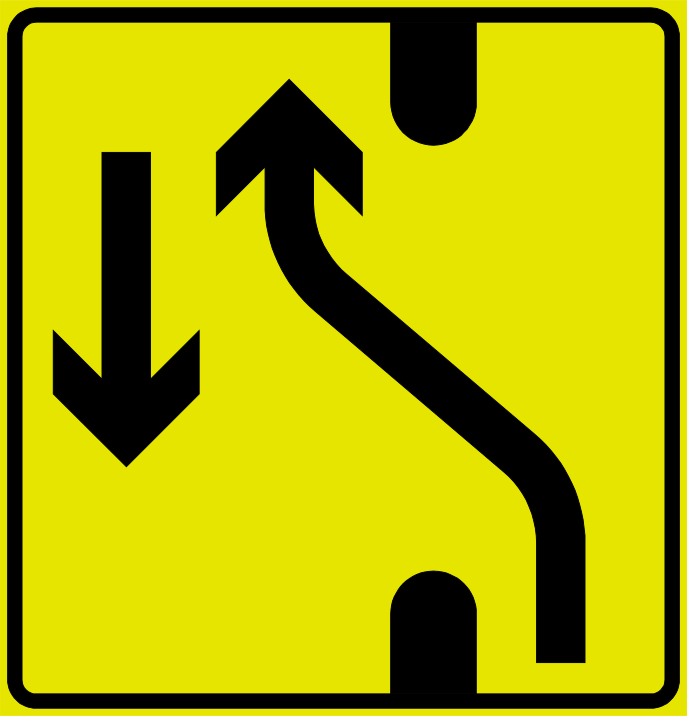 Changed traffic pattern539
 -
Home zone540
-
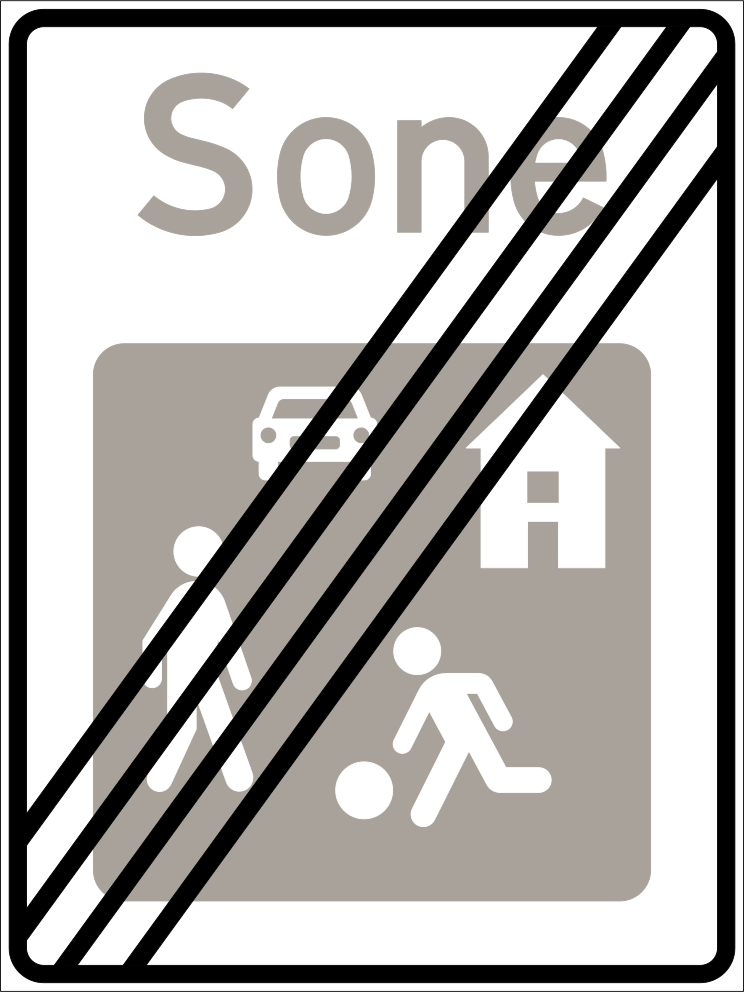 End of home zone542
 -
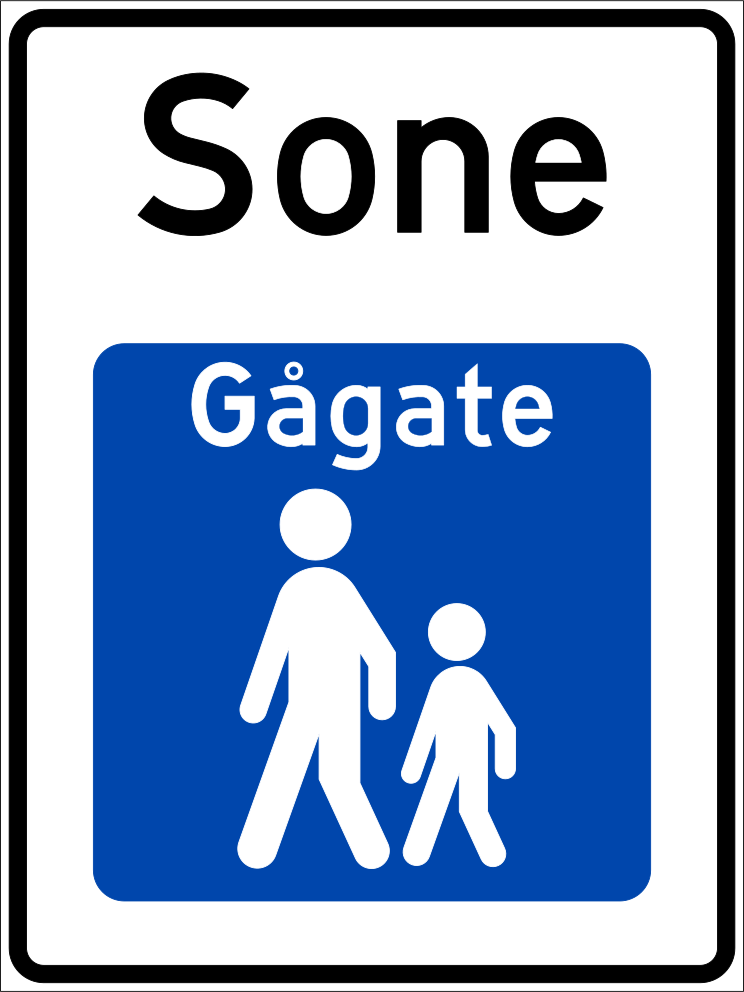 Pedestrian street548
 -
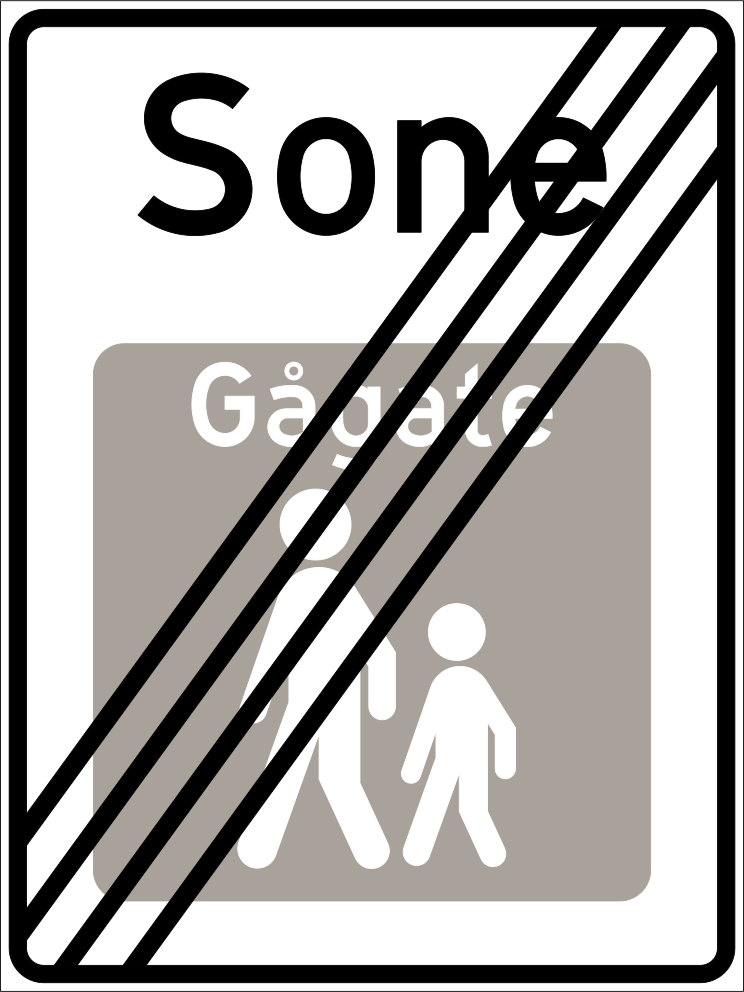 End of pedestrian street550
 -
 Parking552
 -
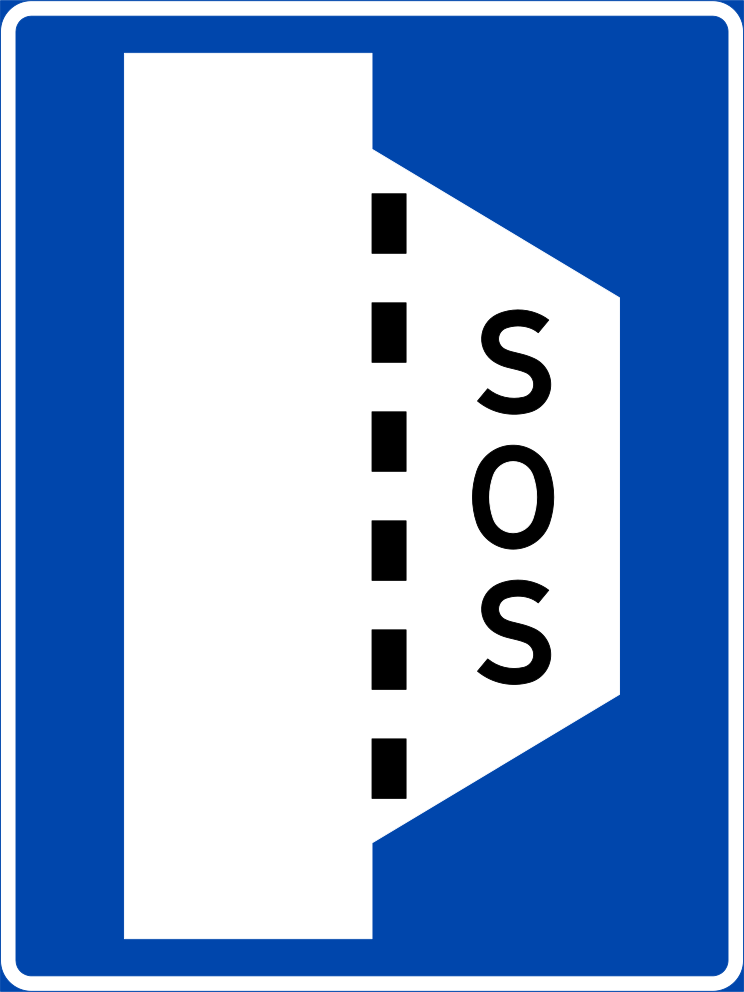 Emergency stopping bay555
 -
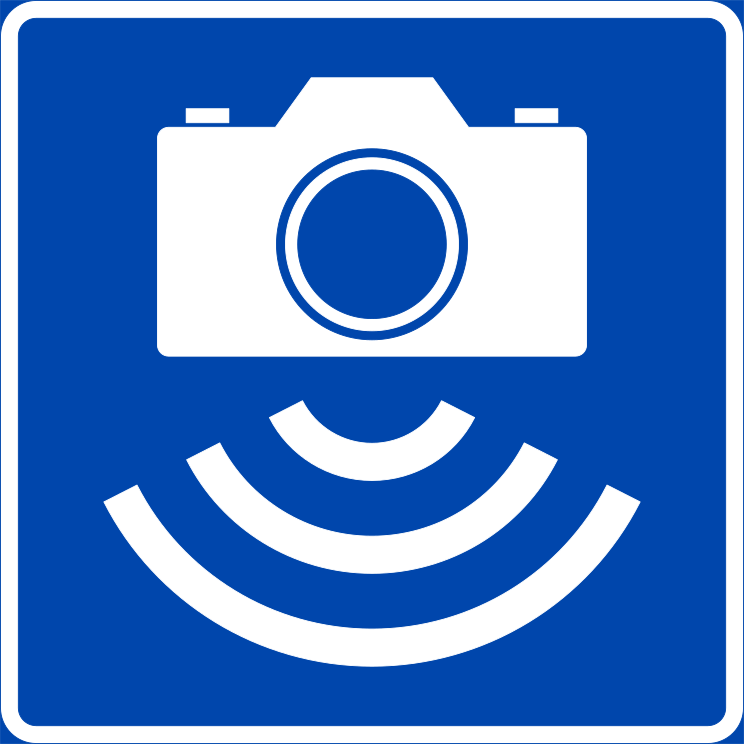 Automatic traffic control556.1
 -
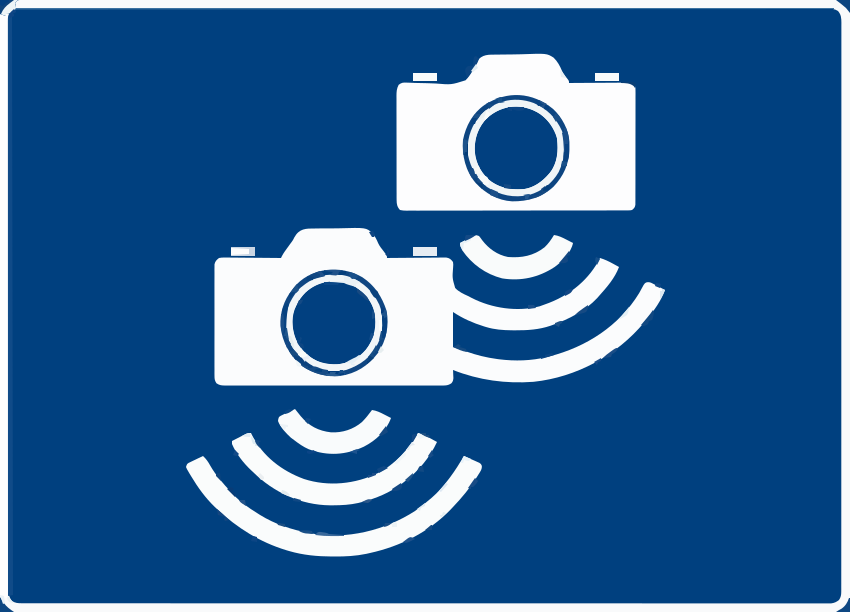 Automatic traffic control556.2
 -
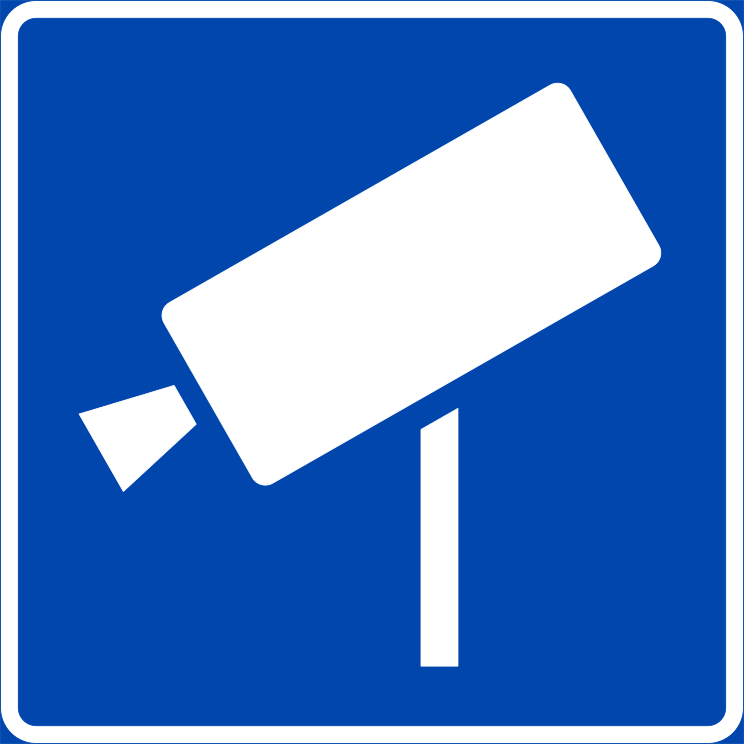 Video surveillance558
 -
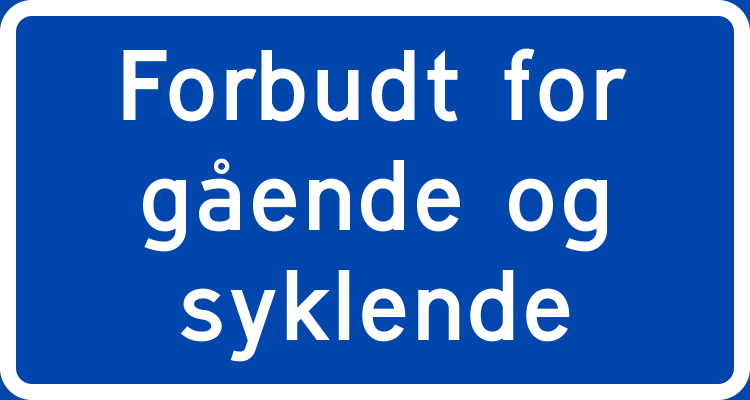 Information board560
 -
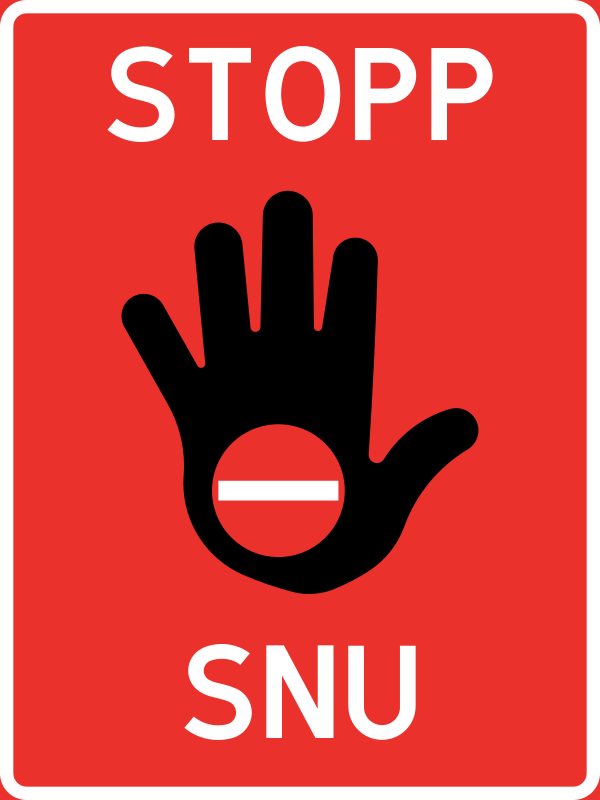 Wrong direction565
 -
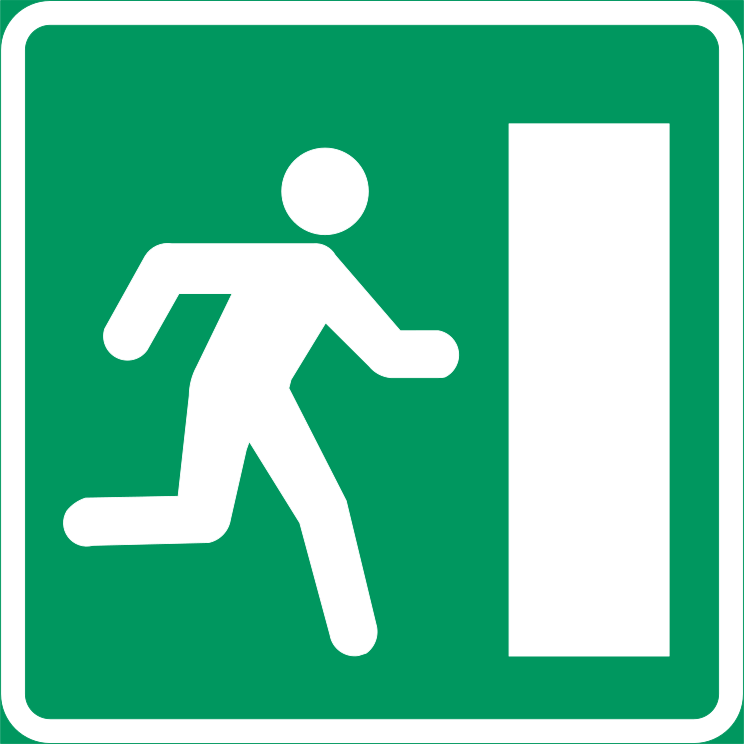 Emergency exit570.1
 -
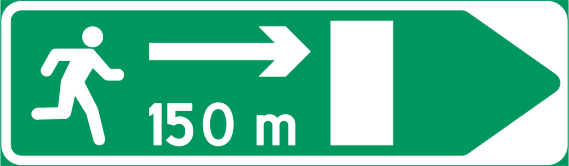 Direction and distance to emergency exit570.2
Frequently asked questions
Are information signs just information?
No. Many of them introduce a set of rules — what kind of road you are on, who may drive there, and how you must behave. The group's name describes what the sign tells you, not how little it matters.
Where does an information sign stop applying?
Usually at its own end sign. If you have not seen the cancelling sign, the rules still apply — including past junctions.