
Marker signs
The smallest group after the priority signs. They say nothing about rules — they show where the road, the edge or the obstacle actually is.
Do you know the marker signs? Take a 5-sign quiz
Pick what the sign means. You see the answer straight away – no account needed.
-
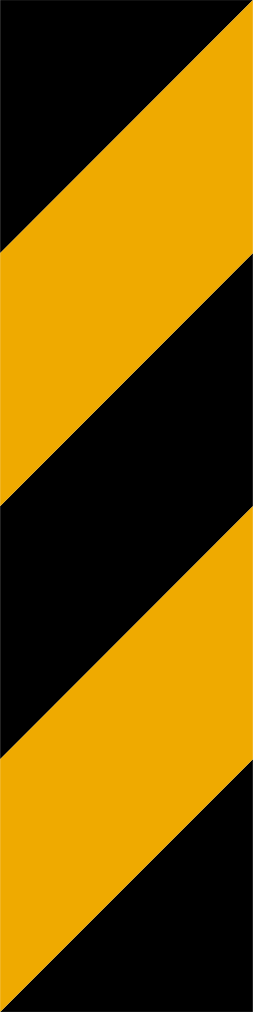
What does this sign mean?
Obstruction marker (906). The sign marks an obstruction or narrowing at or in the carriageway, for example a traffic island or bridge pier. The driver must pass on the indicated side and exercise caution. Read more about the sign → -

What does this sign mean?
Obstruction marker (height obstruction) (908). The sign marks an obstruction over the carriageway with limited headroom, for example a bridge or tunnel opening. The driver must make sure the vehicle is low enough to pass. Read more about the sign → -
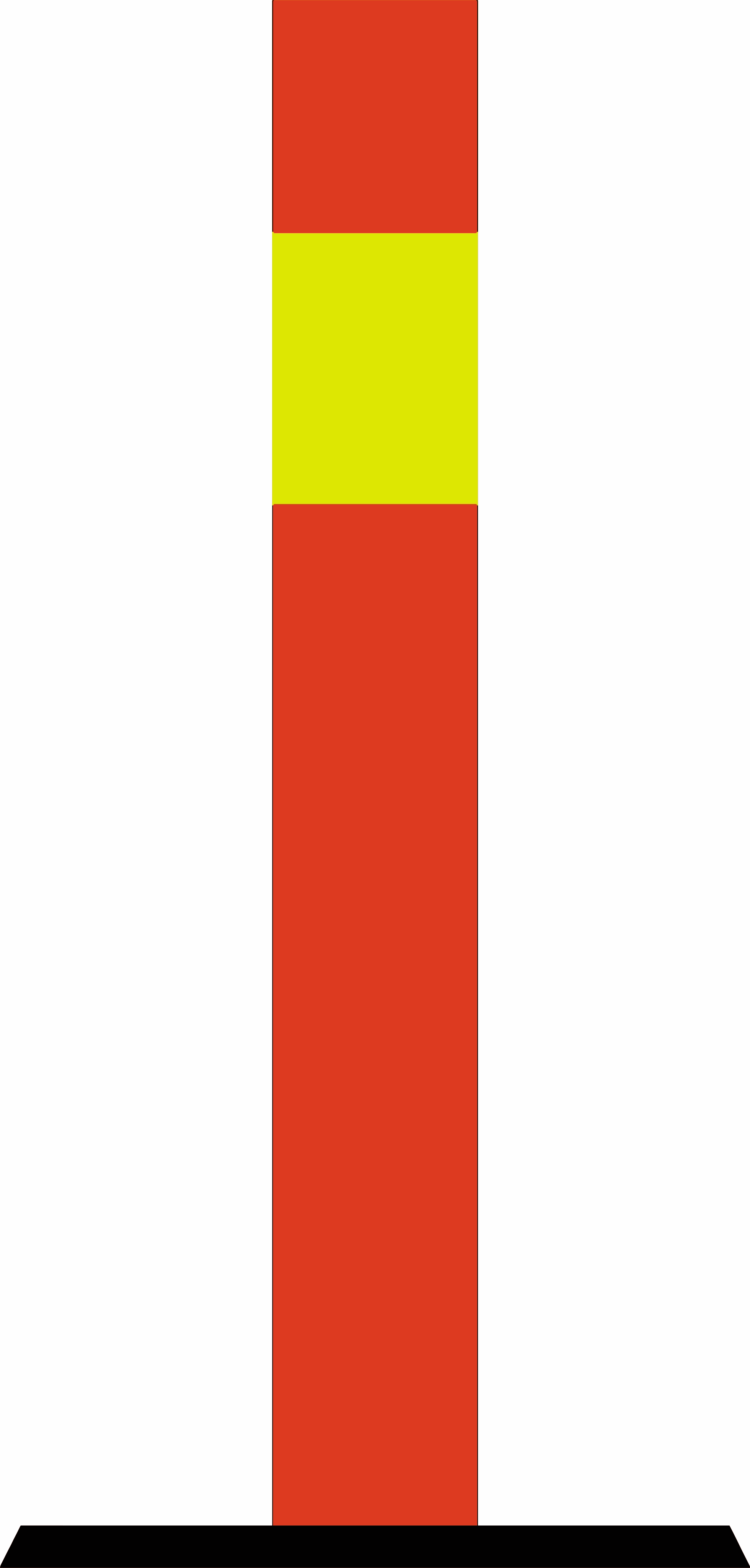
What does this sign mean?
Traffic cylinder (942). A cylinder-shaped marking unit used to temporarily guide or separate traffic, for example at roadworks. The driver must follow the indicated route. Read more about the sign → -

What does this sign mean?
Background marker (902). The sign is put up as a background where the road turns sharply or ends in a T-junction, to clarify the course of the road. The driver must slow down and follow the direction of the road. Read more about the sign → -

What does this sign mean?
Edge post (920). A post with a reflector put up along the edge of the road to mark the course and width of the road. The reflector makes it easier to follow the road in darkness and poor visibility. Read more about the sign →
Signs and road markings are one of the seven themes of the theory test. Try the whole test – the first questions are free, no account.
Where the group sits in the regulations
The group holds 10 signs and is governed by chapter 10 of the Norwegian sign regulations: the general provisions in § 19, and the individual signs in § 20.
Geometry, not law
Marker signs exist to make the shape of the road visible: where the edge runs, where an obstacle stands, how a bend actually curves. They matter most in darkness and bad weather, when your headlights reach further than your eyes.
They impose nothing and forbid nothing. But they are often the only thing to steer by where the road markings are under snow, which makes them more important in practice than their number suggests.
Why they are worth recognising at speed
Because they are meant to be read almost without thinking. A marker sign you have to interpret has arrived too late to help.
On the theory test they usually appear alongside night driving and winter conditions — the situations where they make a difference.
Six signs from the group, explained
-
Background marker 902
The sign is put up as a background where the road turns sharply or ends in a T-junction, to clarify the course of the road. The driver must slow down and follow the direction of the road.
-
 Direction marker 904
The sign shows the direction in which the road turns, and is put up on sharp bends. The driver must adjust speed and steer in the direction of the arrows.
-
Obstruction marker 906
The sign marks an obstruction or narrowing at or in the carriageway, for example a traffic island or bridge pier. The driver must pass on the indicated side and exercise caution.
-
Obstruction marker (height obstruction) 908
The sign marks an obstruction over the carriageway with limited headroom, for example a bridge or tunnel opening. The driver must make sure the vehicle is low enough to pass.
-
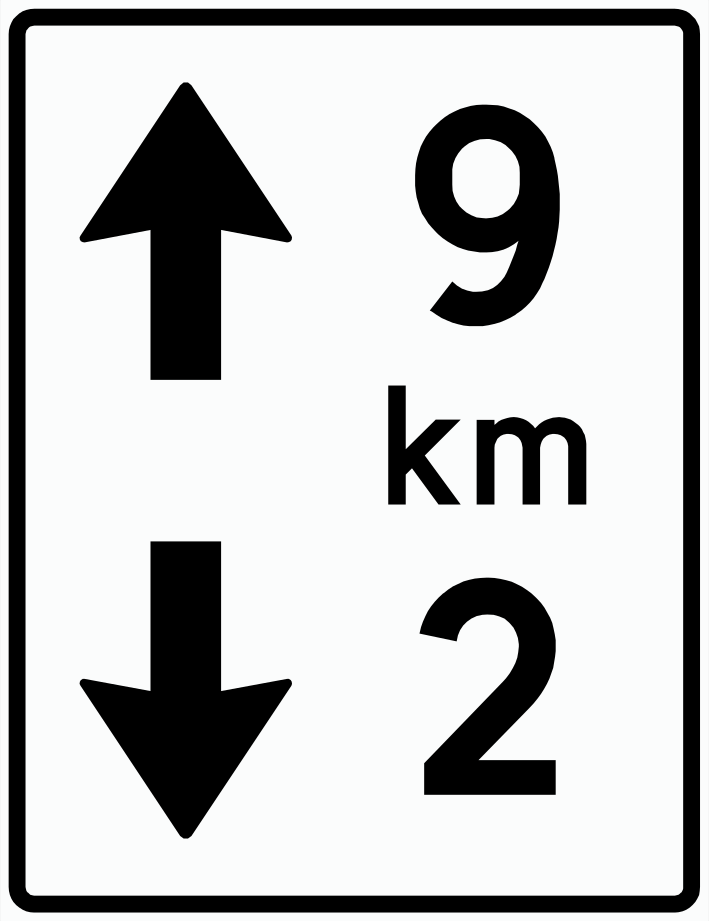 Distance marker in tunnel 916
The sign indicates the distance to an emergency exit or the tunnel opening inside the tunnel. It helps road users orient themselves, including in the event of an evacuation.
-
Edge post 920
A post with a reflector put up along the edge of the road to mark the course and width of the road. The reflector makes it easier to follow the road in darkness and poor visibility.
All 10 marker signs
Below are all 10 signs in the group as they actually look. Tap a sign for its name, its meaning and what the test tends to ask about it.
-
Background marker902
-
Direction marker904
-
Obstruction marker906
-
Obstruction marker (height obstruction)908
-
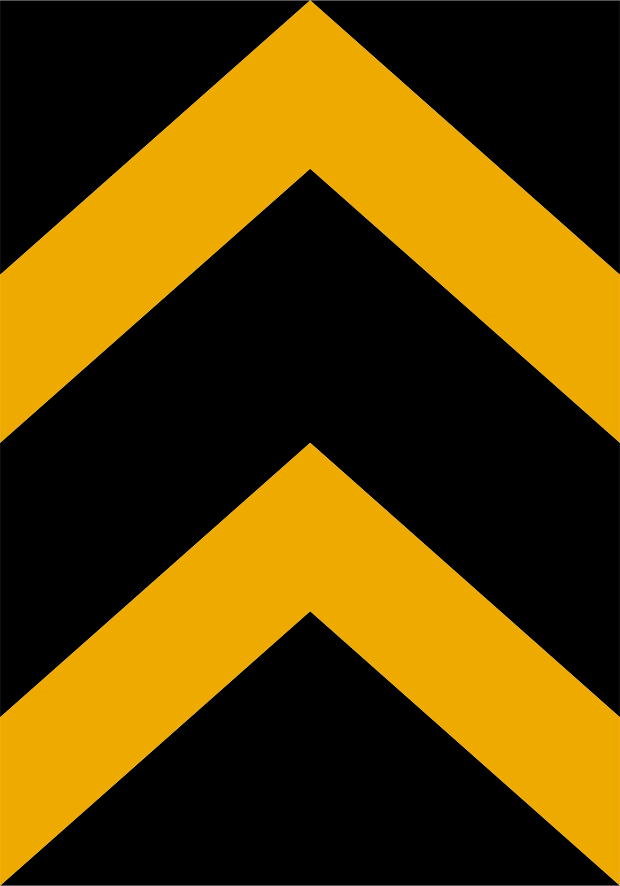 Exit marker912
-
 Tunnel marker914
-
Distance marker in tunnel916
-
Edge post920
-
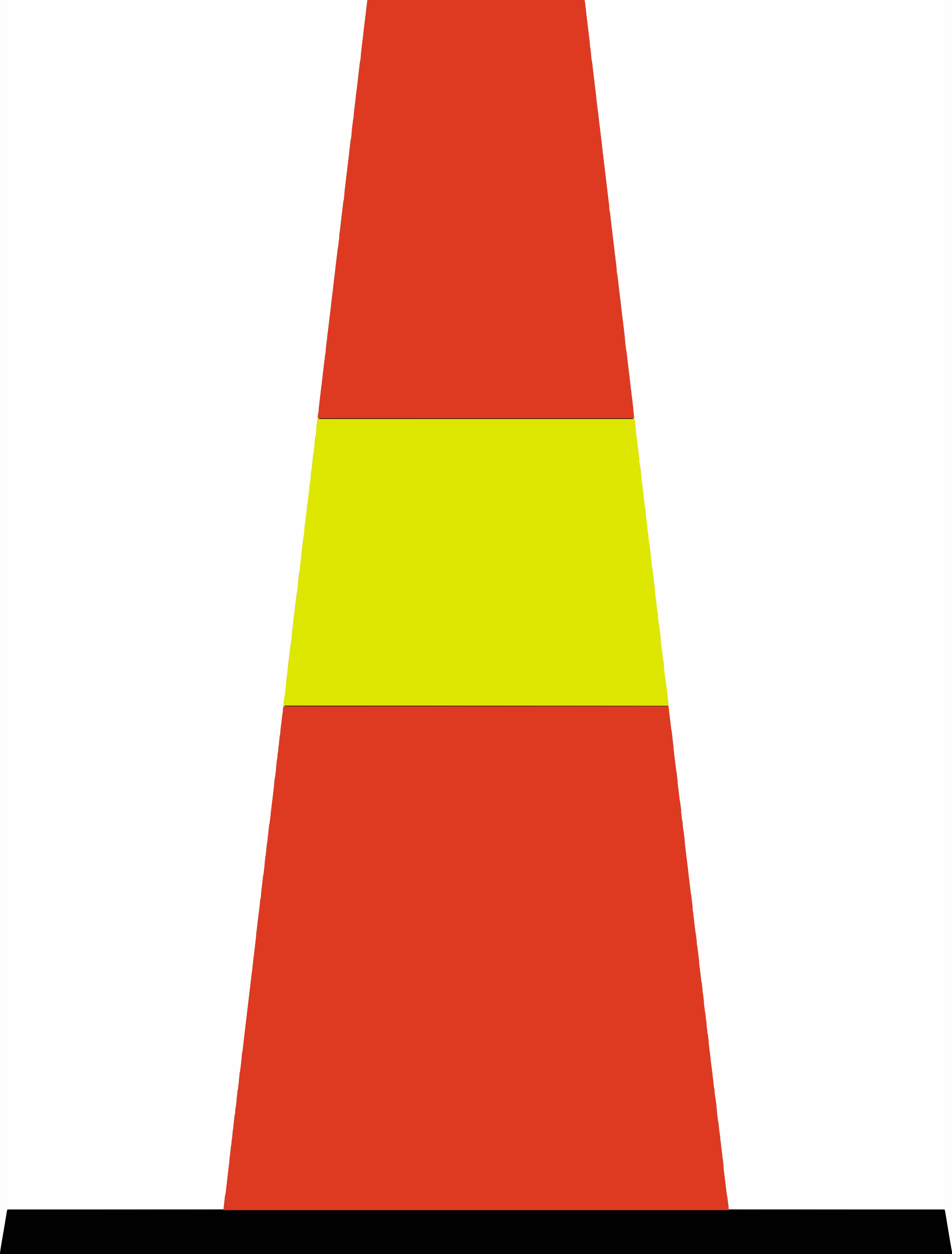 Traffic cone940
-
Traffic cylinder942
Read about the sign group in the theory course: chapter 7, Signs, signals and police directions →
Frequently asked questions
Do marker signs create any rule?
No. They show where the road or the obstacle is. Your duty comes from the requirement to drive according to conditions, and marker signs are part of what you use to judge those conditions.
When do marker signs matter most?
In darkness and on winter roads, when the road markings are gone or covered. Then the markers may be the only thing showing where the road actually goes.